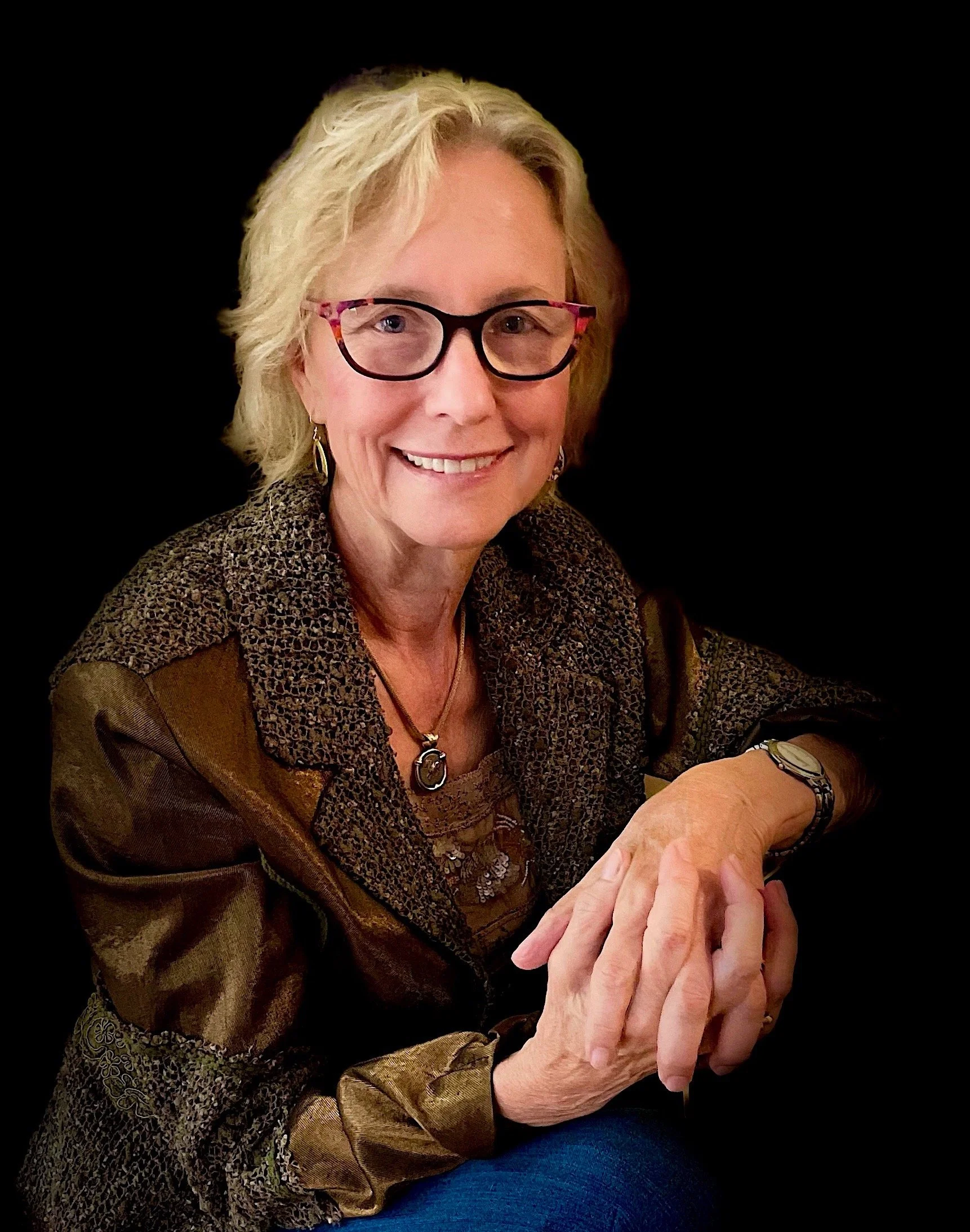
Meet Louisa
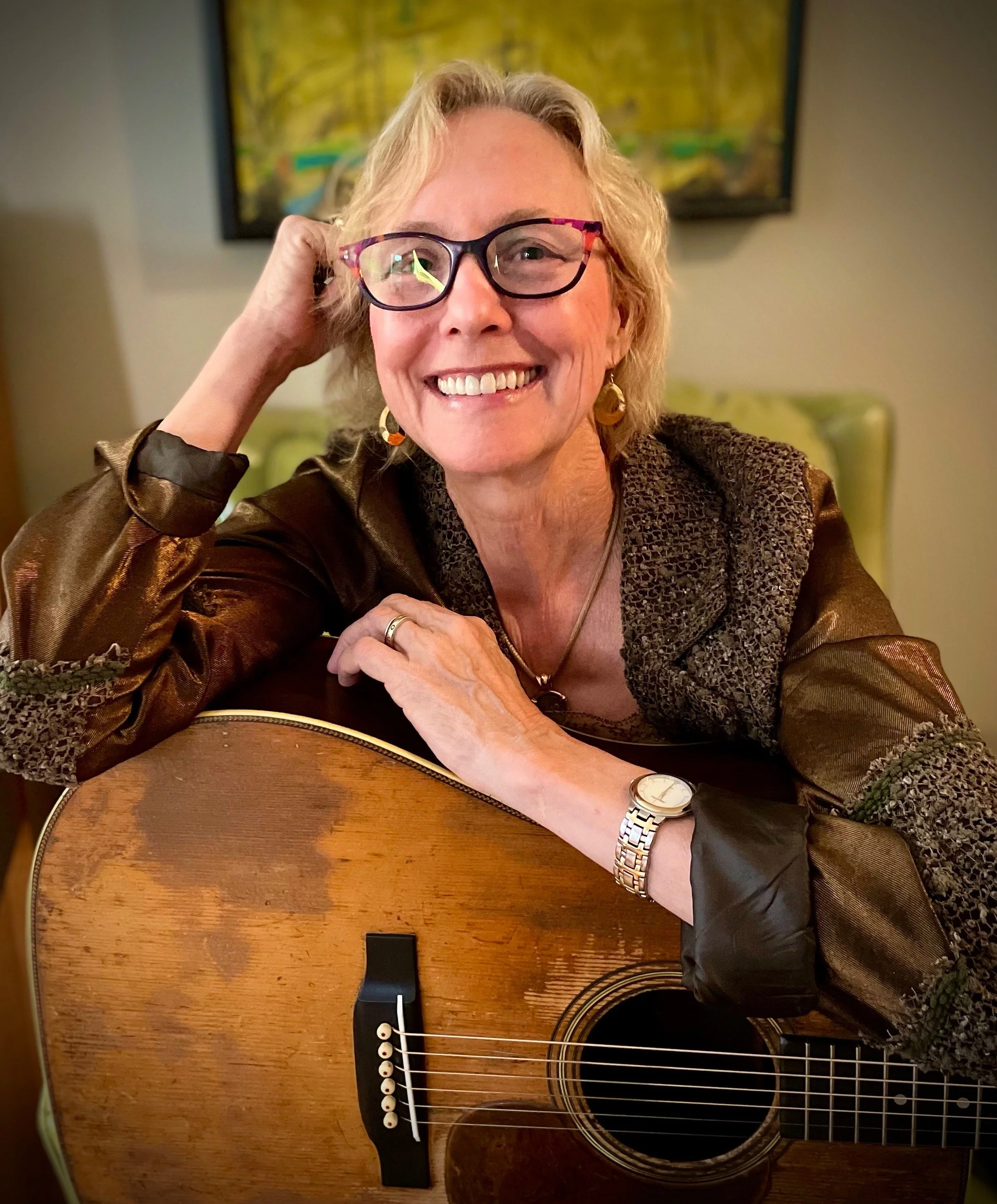
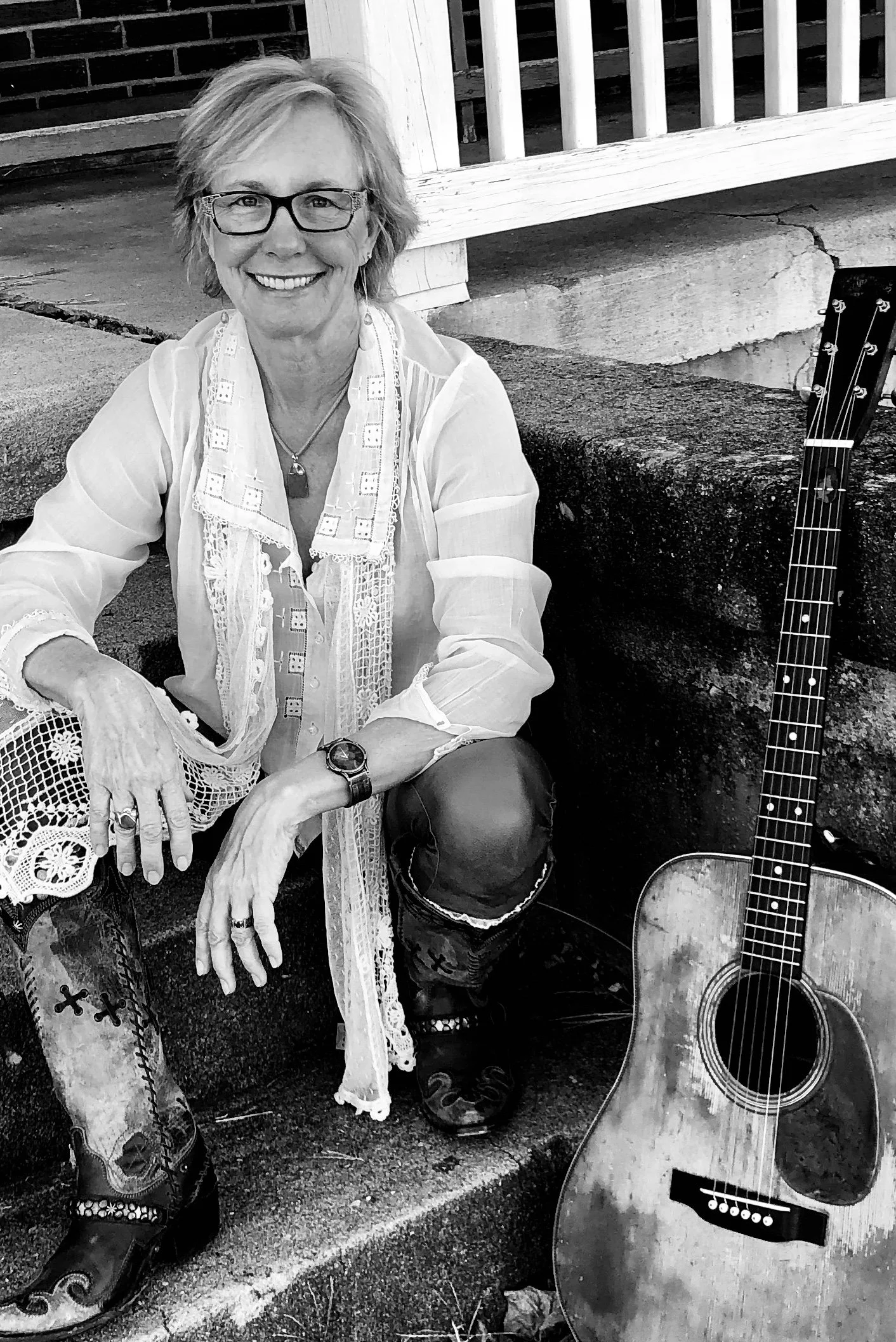
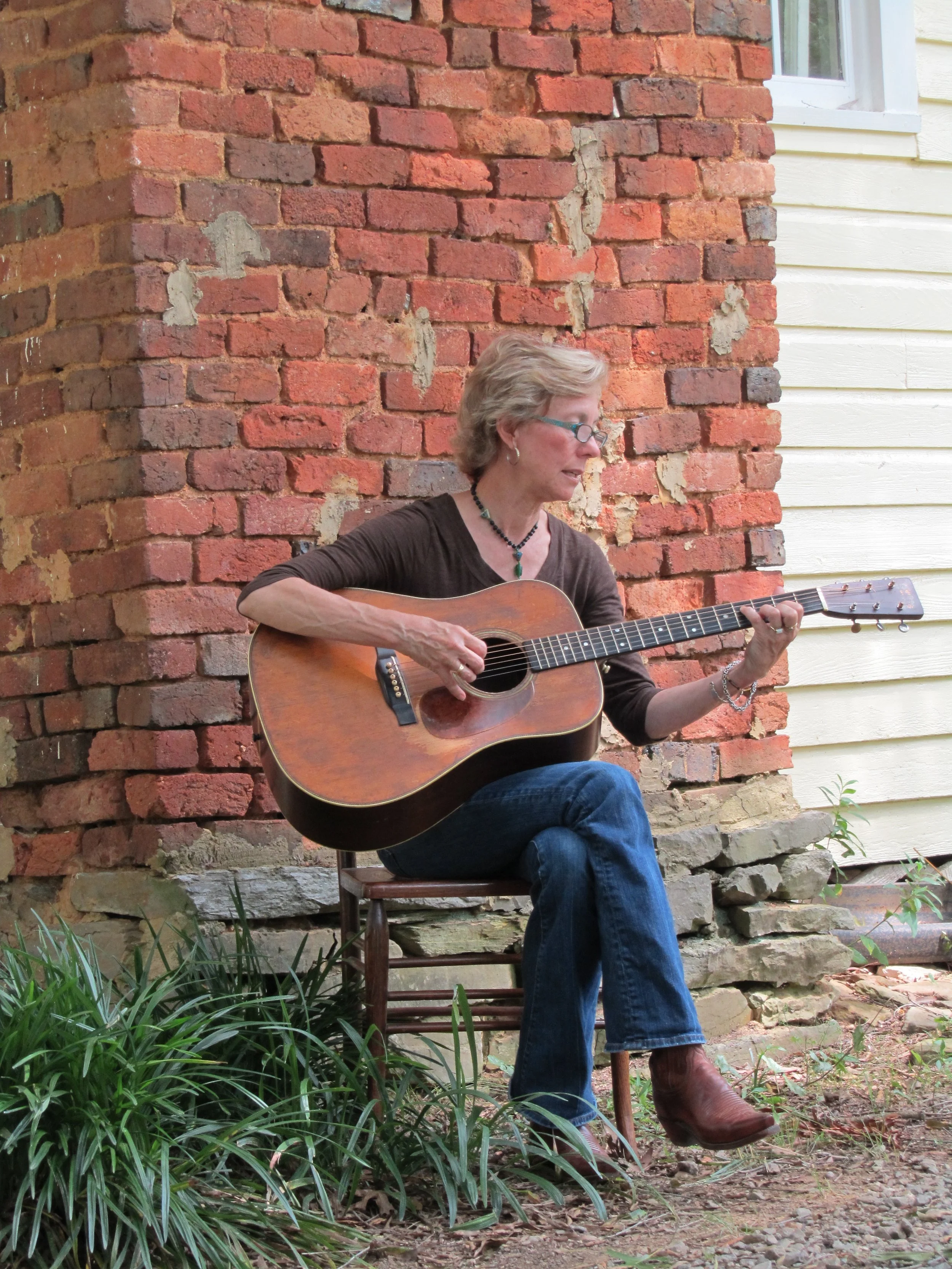
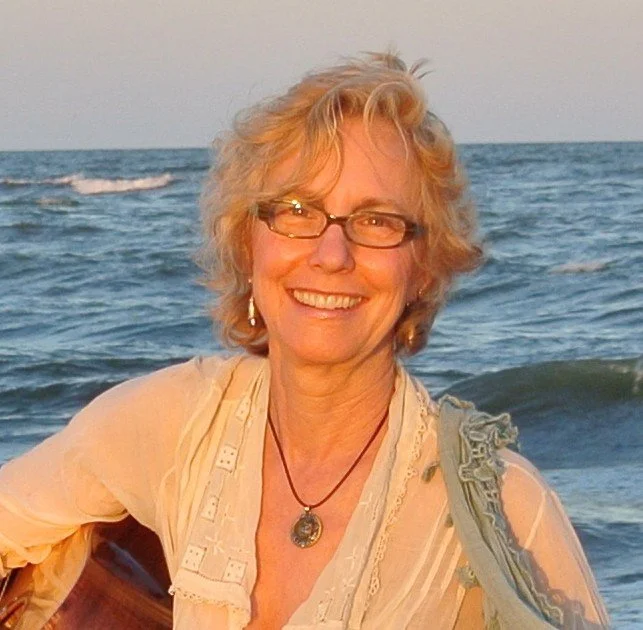
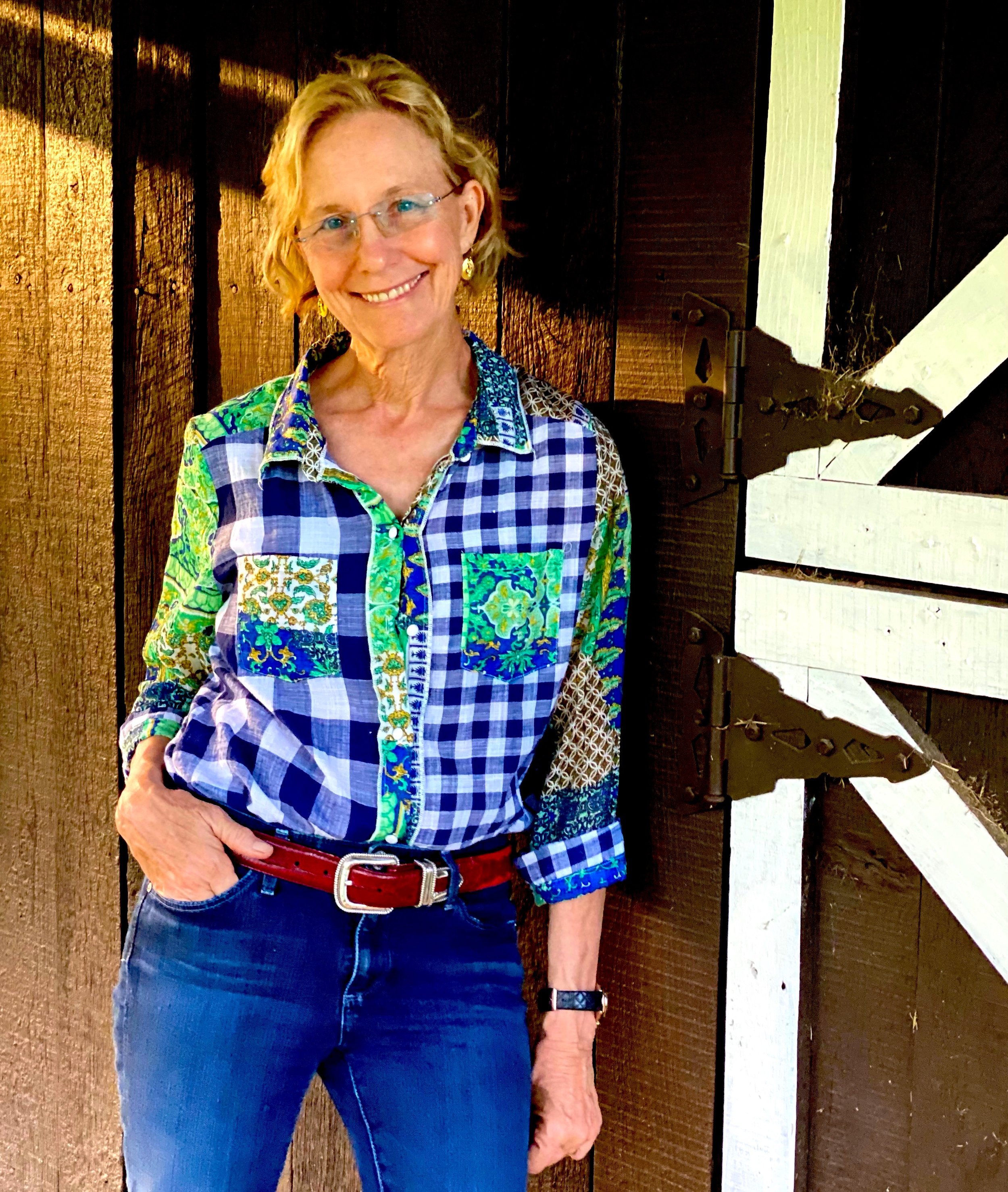
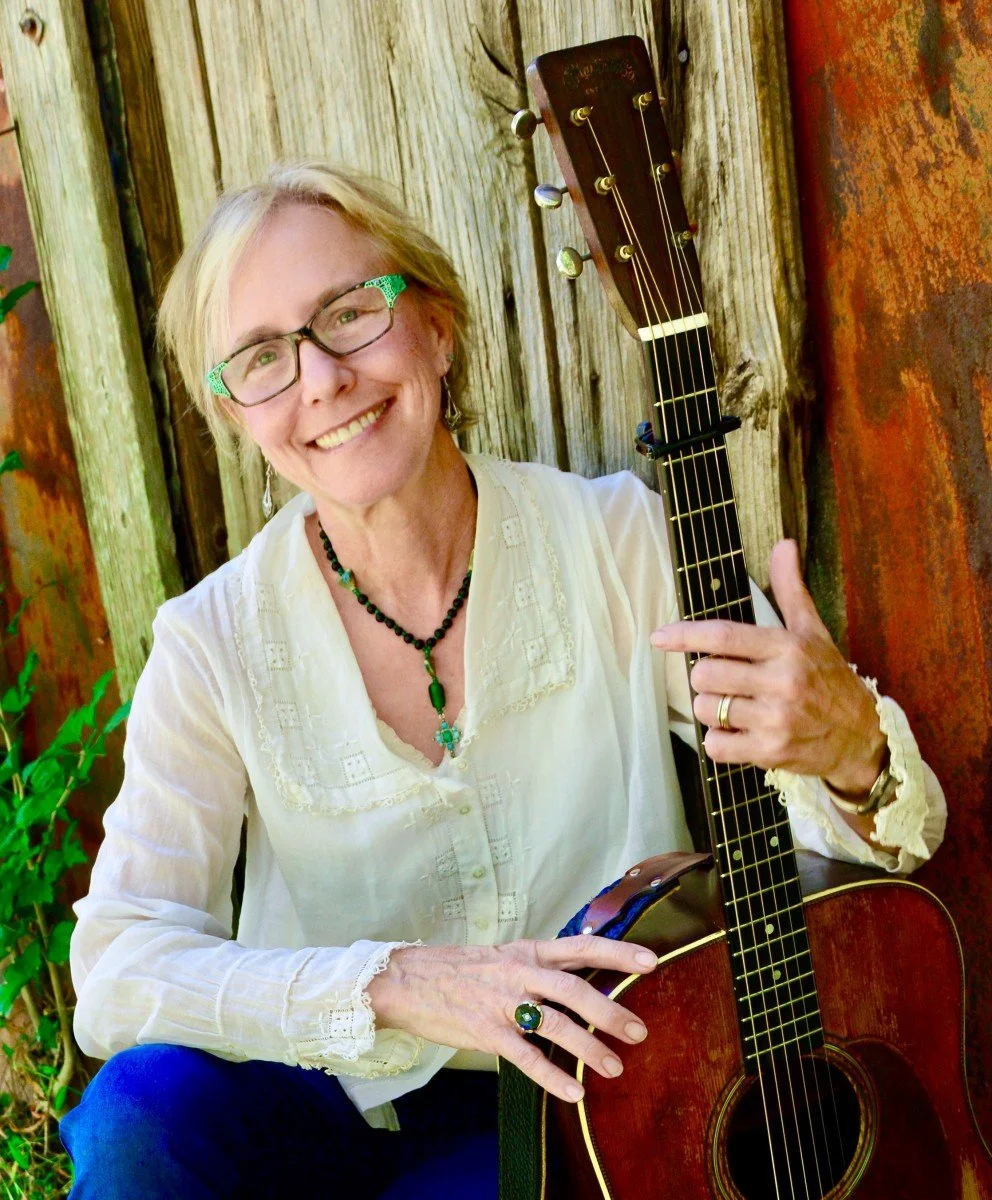
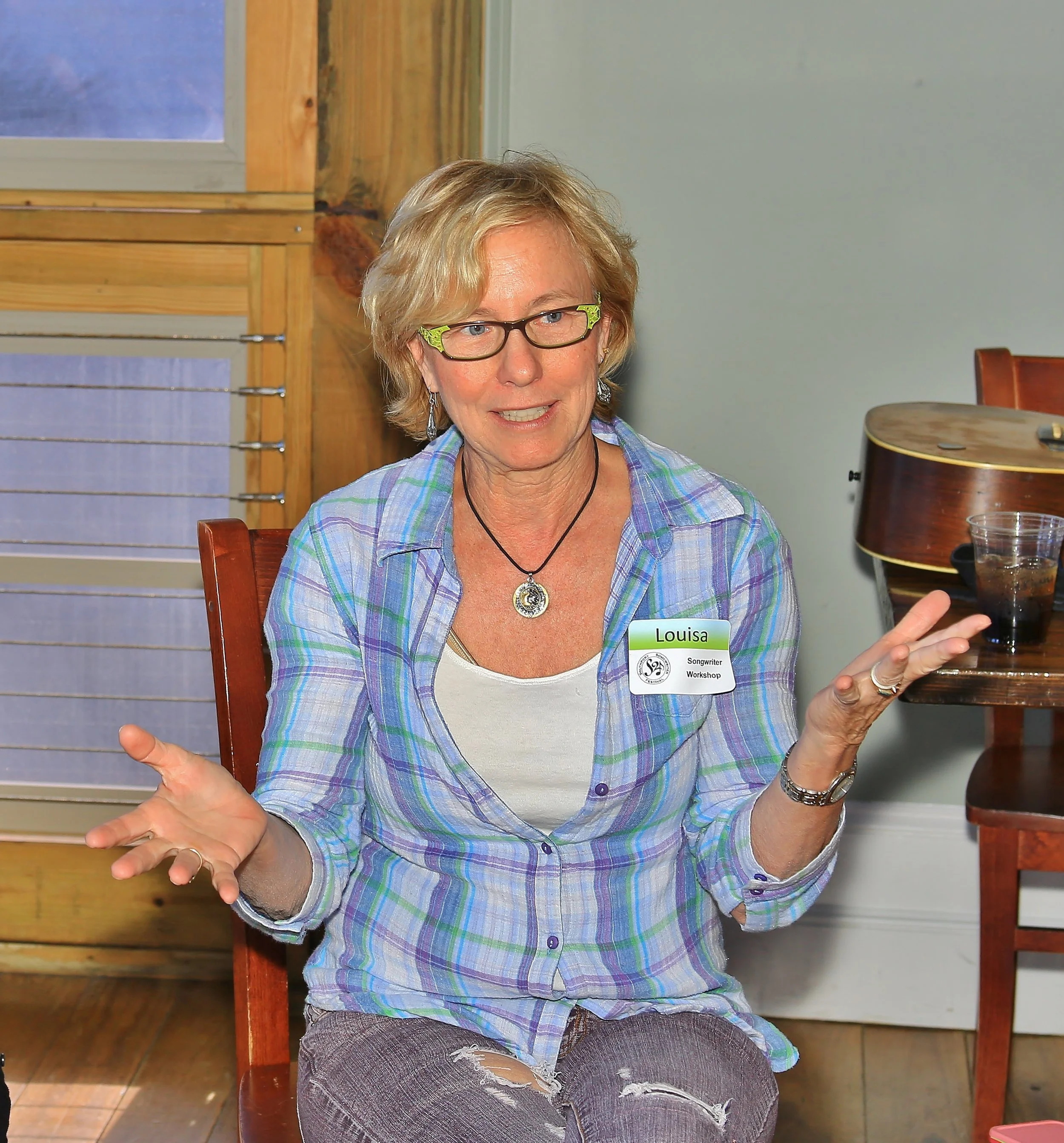
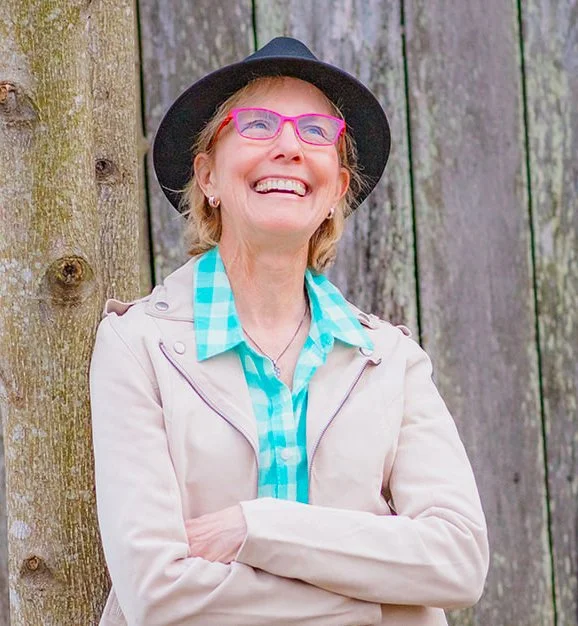
Veteran, visionary artist and composer. An iconic figure among acoustic and folk songwriters, Louisa has spent more than 50 years performing, recording, leading songwriter retreats, and using songwriting to support healing in communities.
She is now setting the stage for the release of her 15th Album, produced in Nashville with Wanda Vick and including a stellar cast of internationally known musicians!
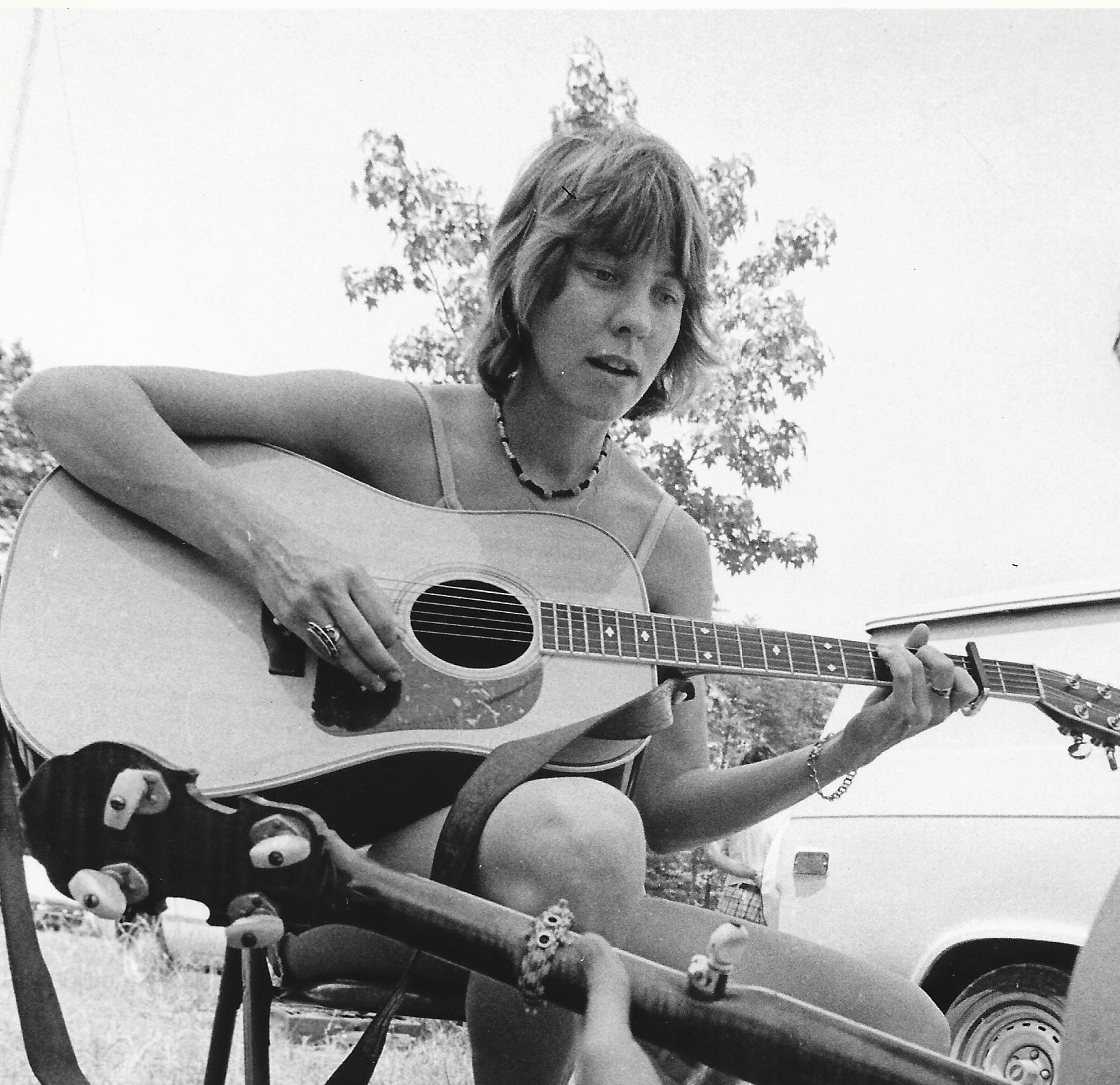
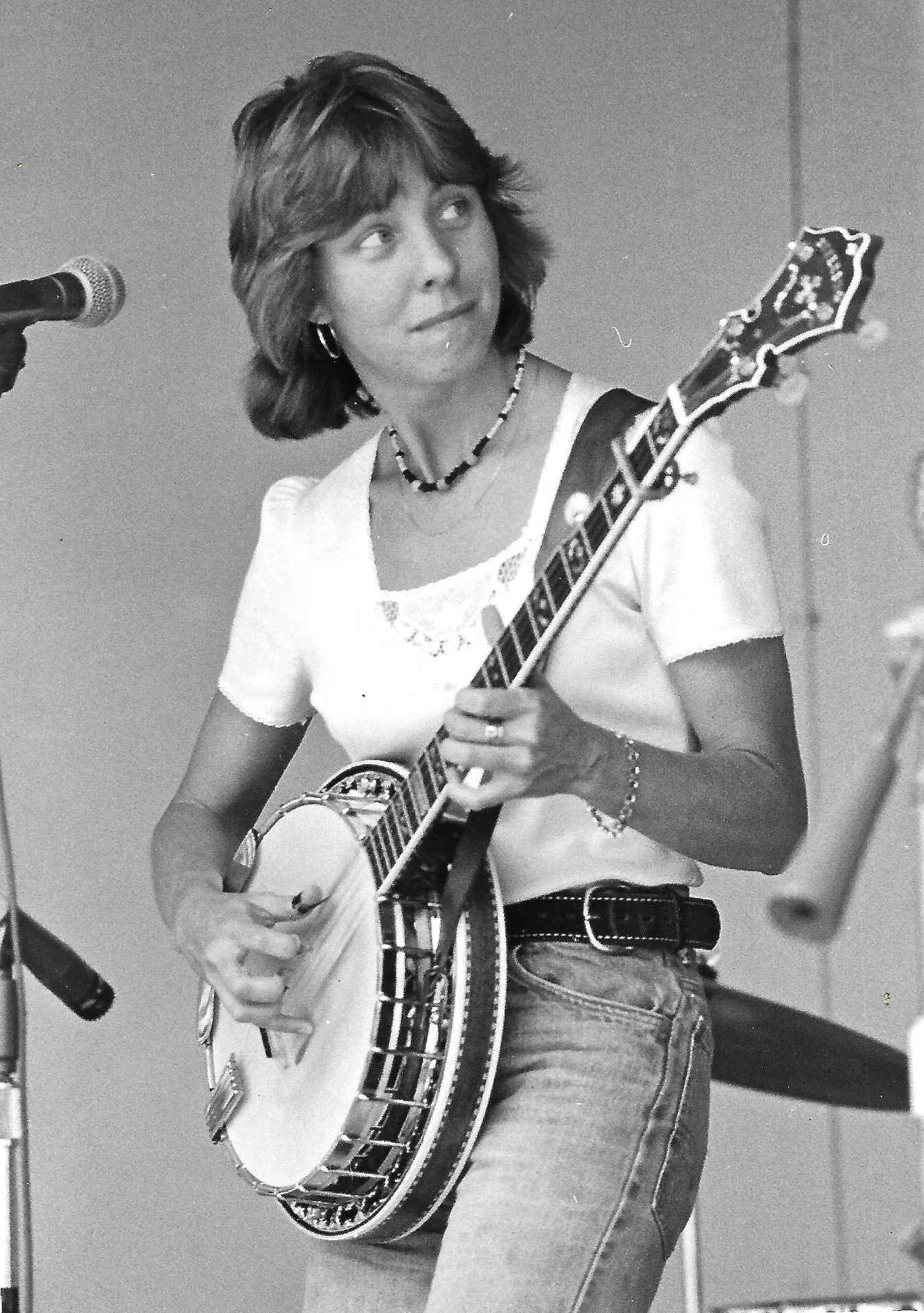
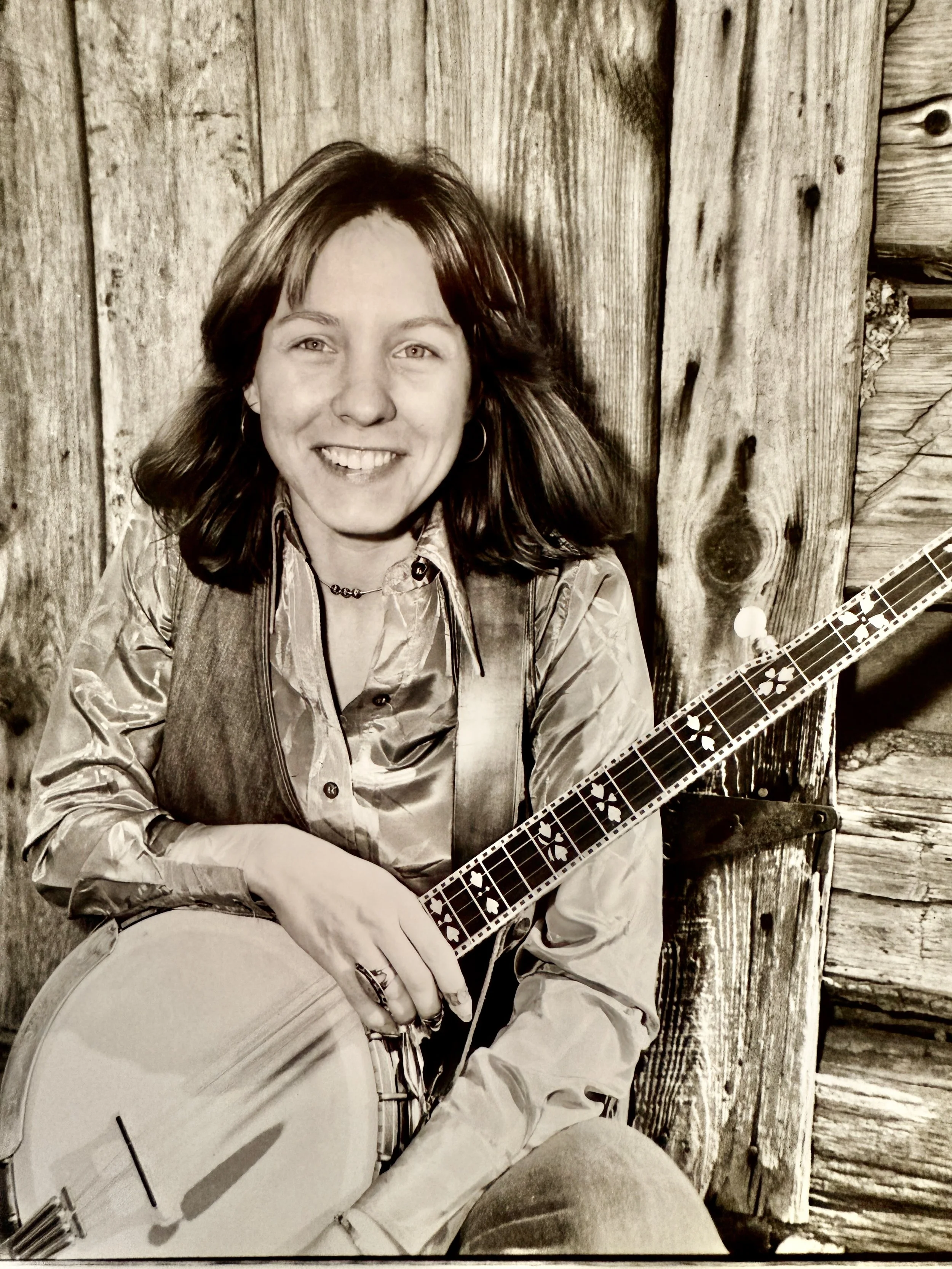
Her path traces back to 1971, when she emerged, barely 20 years old, as a full-time songwriter and guitarist, then banjoist. She is widely recognized as a trailblazer for songwriters and women performers in bluegrass and acoustic music. Her song Steel Rails appeared on Alison Krauss’s first Grammy album and John Denver’s last, and “brought an entire generation into bluegrass” (Bluegrass Now). It is said to be one of the longest-running #1 hits and most-played songs in the genre, with over 350 video and album covers by other bands and the 13th most influential song in the 75-year history of bluegrass music.
Louisa’s 2018 Compass release, “Gonna Love Anyway,” broke records by debuting at #1 and #2 on the bluegrass and folk charts, respectively, and continued to chart for 18 months, with 5 top-ten songs. Likewise, her 2011 Compass album, I’ll Take Love, had crossover hits in folk and bluegrass and commanded top chart positions for over a year and a half. Her song, Dear Sister, co-written and performed by Claire Lynch, earned the Song of the Year Award and a longstanding chart distinction in folk, Americana, roots, and bluegrass.
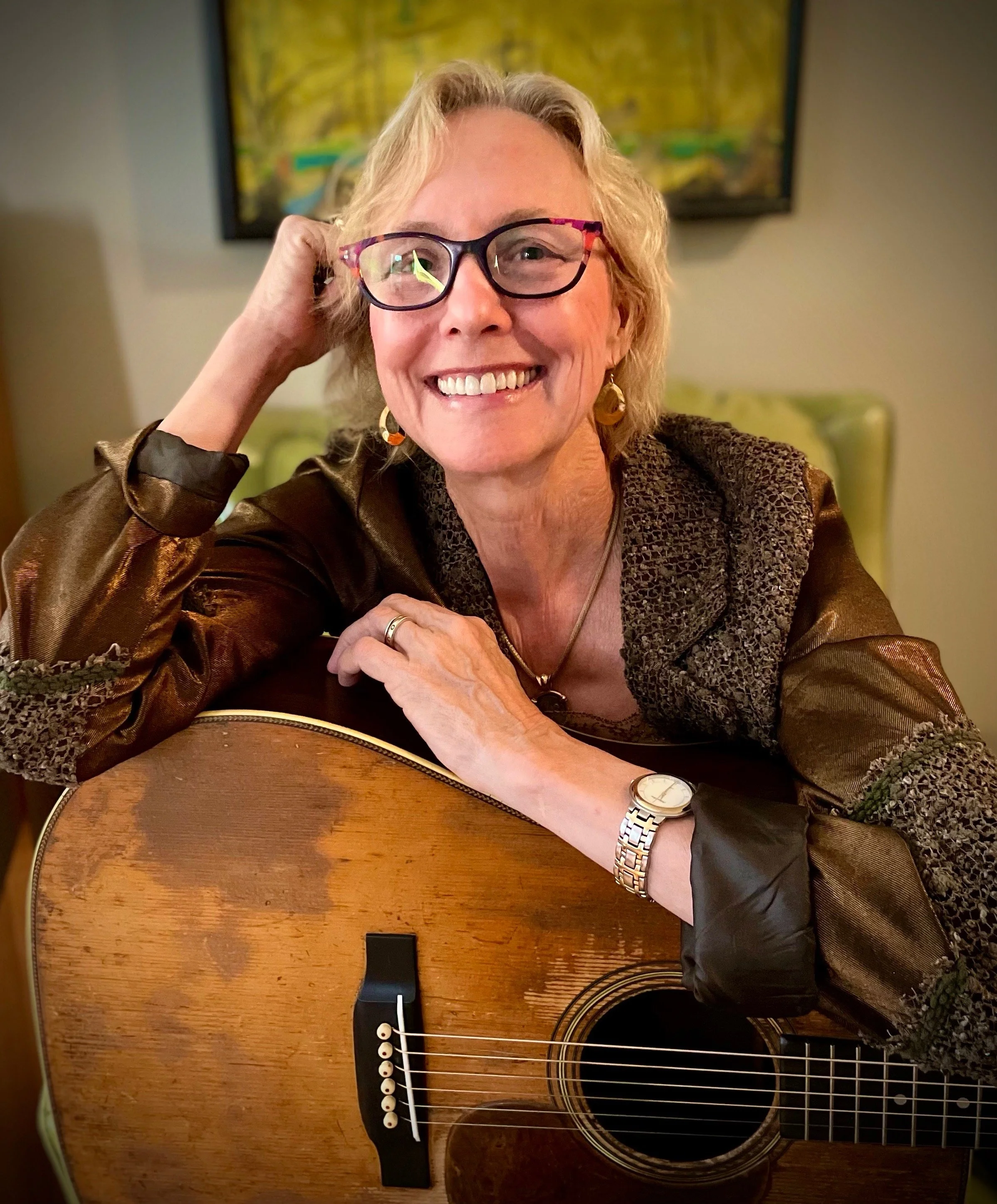
“When I write, I try to let go and let myself be carried by the rhythm of what is most true and genuine to say in the song. To surrender – to the song - to destiny, to go on, live anyway, love anyway. "Take the bend, take the curves, take the road for all its worth." This is what makes art. And art, like trains, always knows what to do.”
Louisa Branscomb
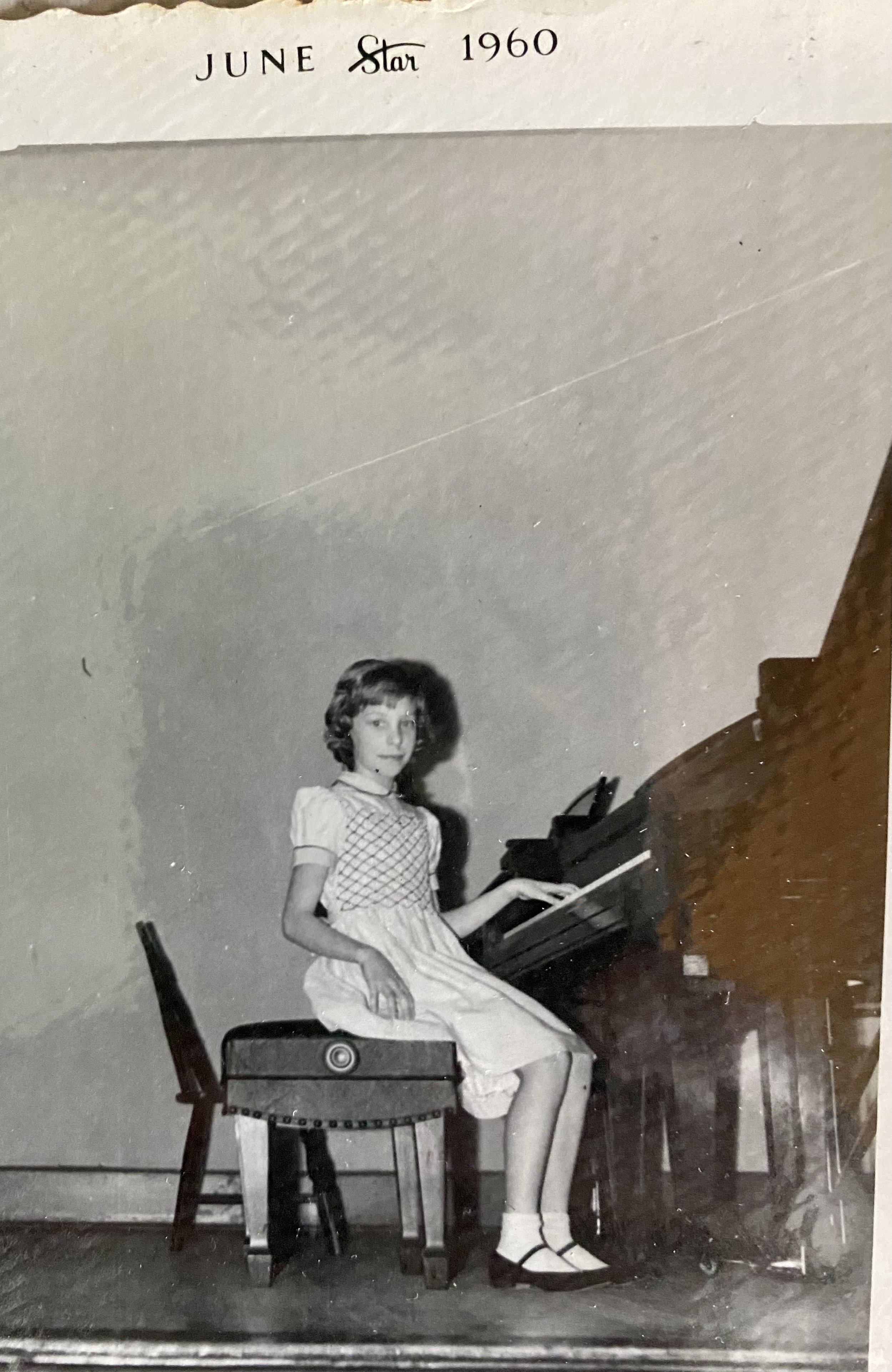
Growing up in Alabama, Branscomb began writing songs at age five, spelling out her words and forming melodies on the piano. When she was 11, she won a regional composition contest, and she played her composition with the Birmingham Symphony in front of an audience of 2,000 people.
By the time Branscomb left college, she had written 467 songs. One of them, Steel Rails, caught the attention of Mel Tillis, the reigning Male Vocalist of the Year in country music. Mel invited Louisa to Nashville and published some of her songs. Mel recorded what was later to be the bluegrass classic, Steel Rails, although his version was not released. He encouraged her to move to Nashville and write for his publishing company, but Louisa had fallen in love with the banjo and playing Bluegrass.
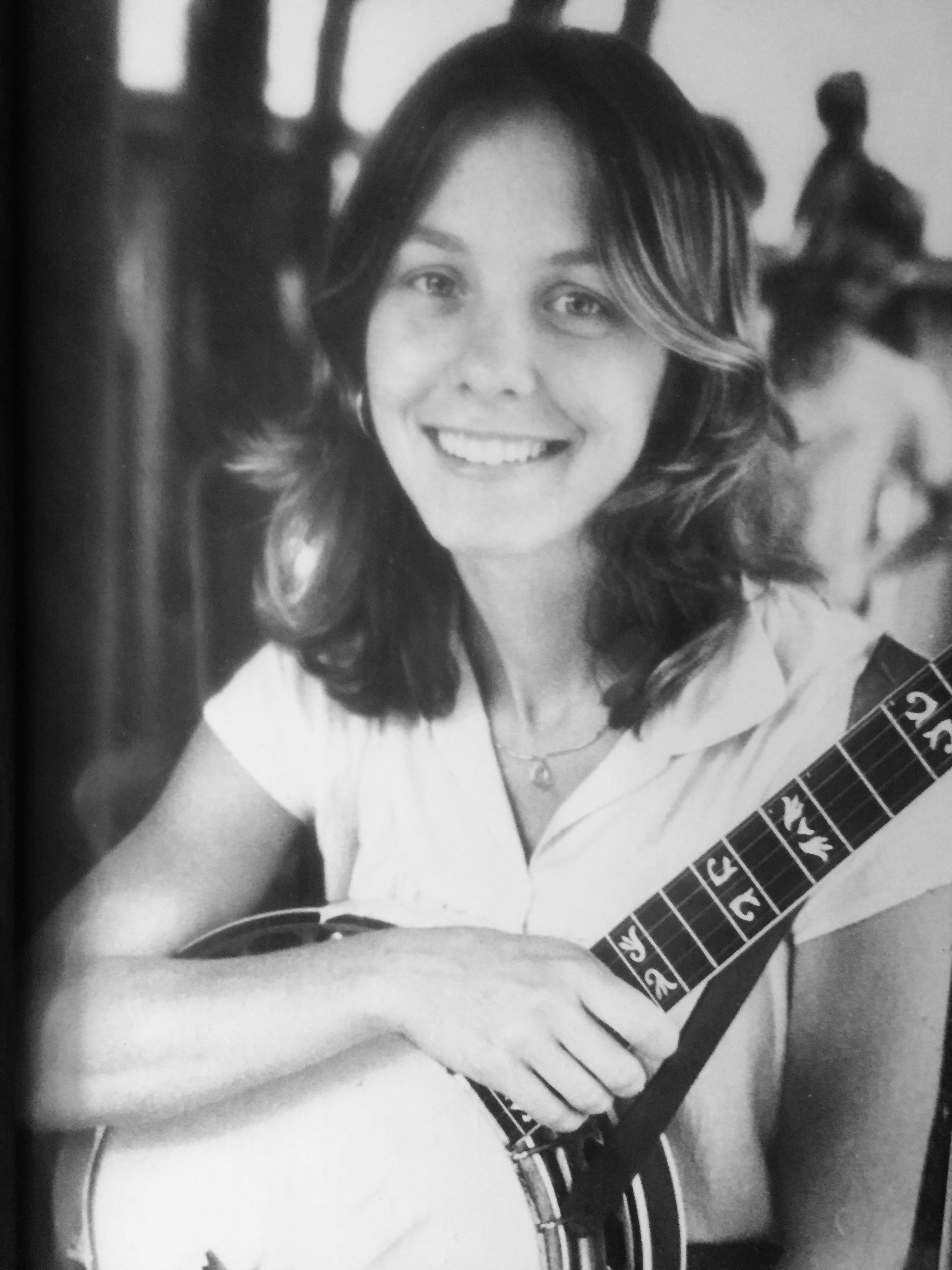
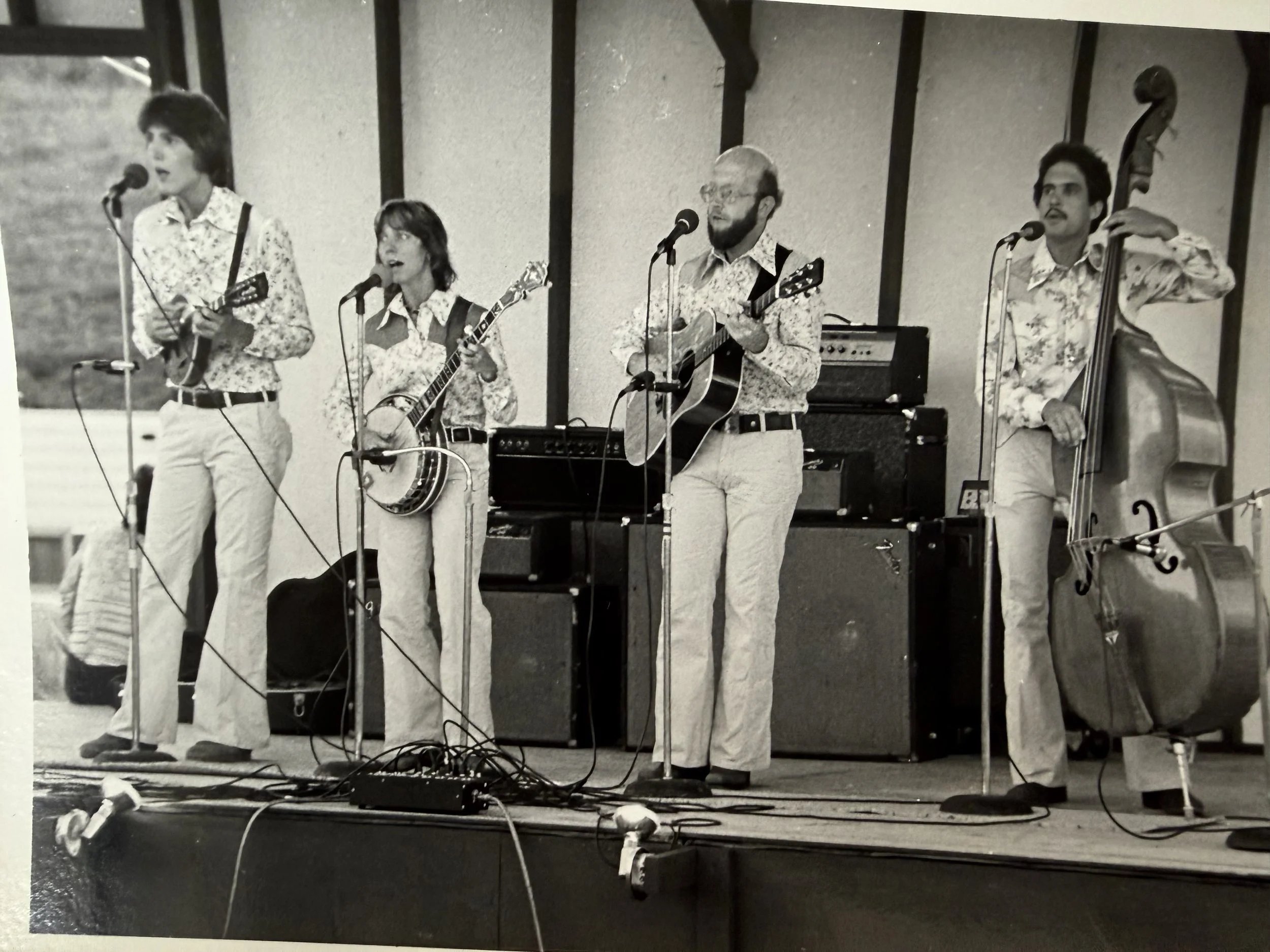
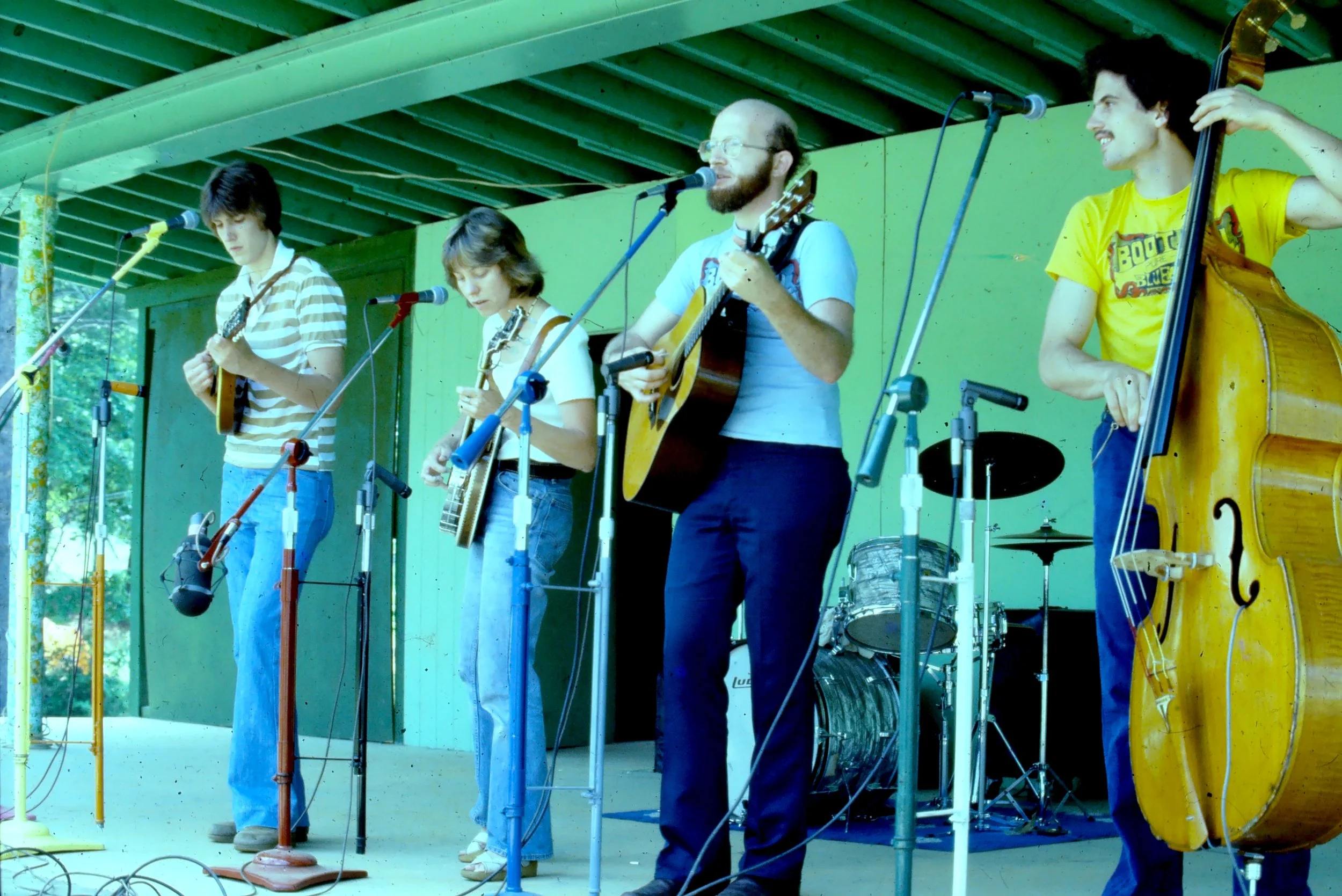
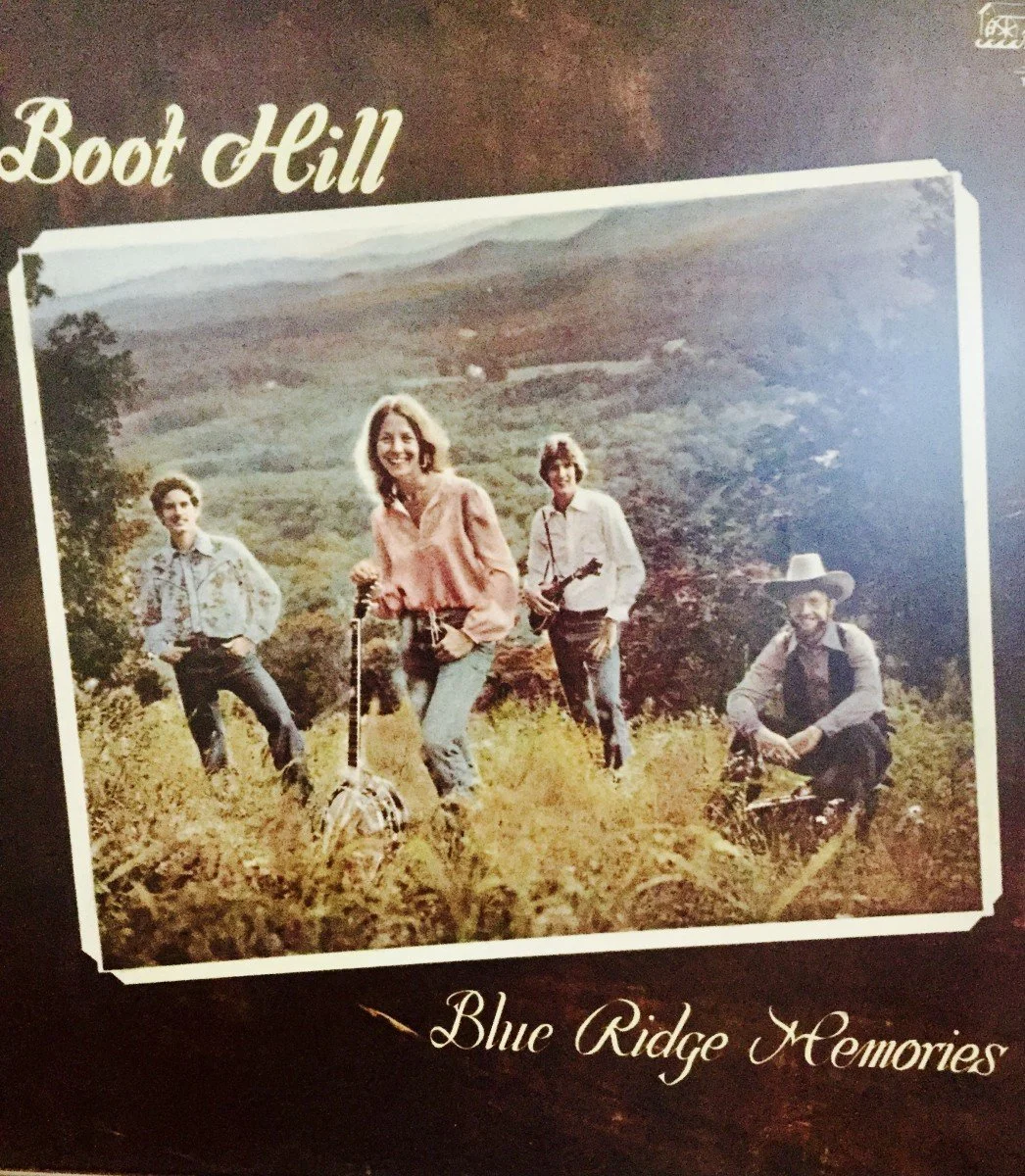
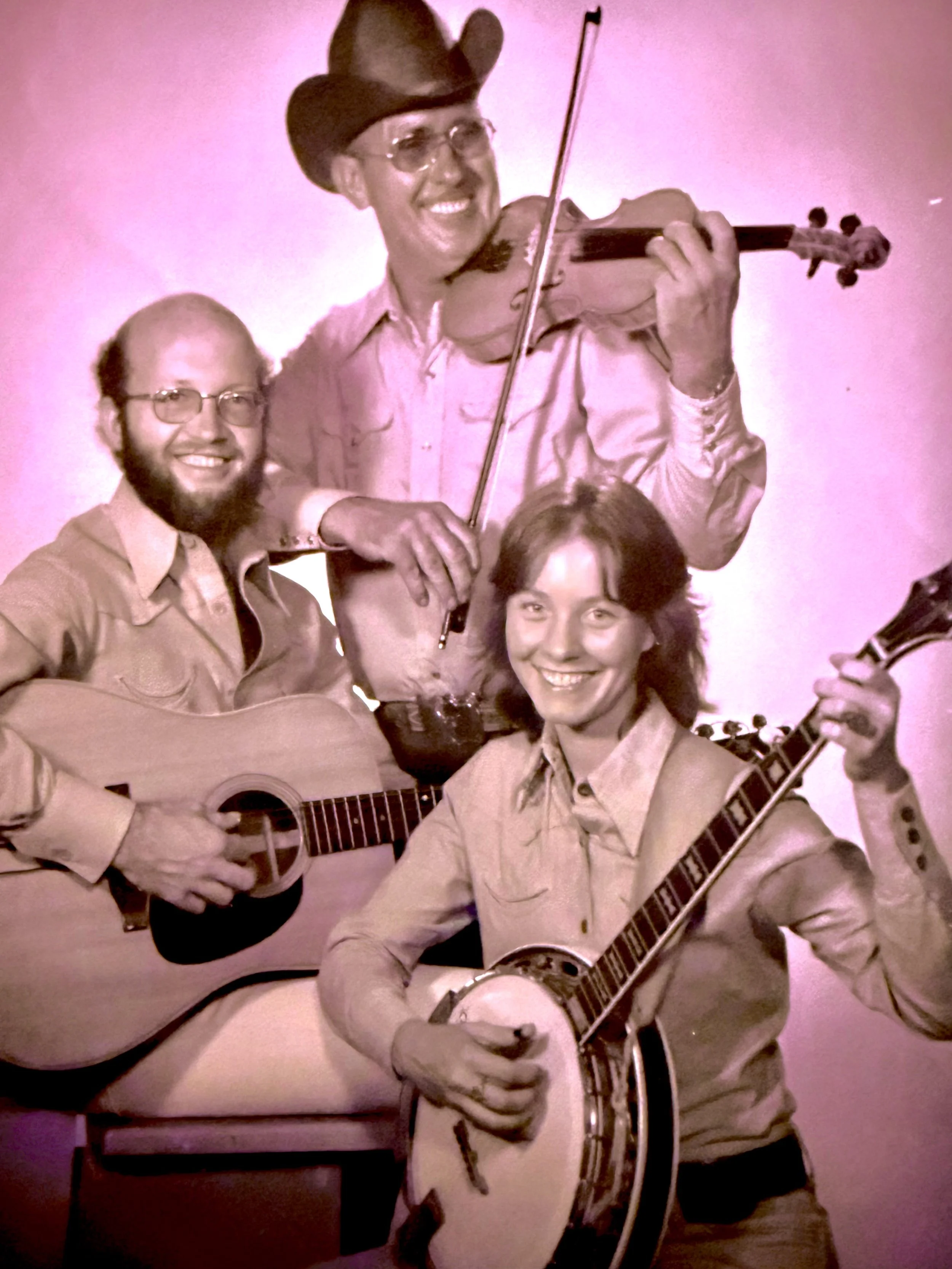
In 1971, she cofounded what was likely the first modern all-female band, Bluegrass Liberation. She went on to become the first woman to lead a band while also playing banjo and writing most of the band’s material (Boot Hill). With Boot Hill, she toured full-time and co-produced three highly acclaimed albums. The band reached their commercial peak at the end of the decade, landing a hit in Japan with their song, Blue Ridge Memories, and a Bluegrass Gospel award for their 1979 album, Fly, Soul, Away. All three of Boot Hill’s albums featured numerous Branscomb originals.
In 1989, Frances Mooney, who had assembled the all-female band Cherokee Rose, was searching for a female banjo player and recruited Louisa for the job. Branscomb continued to play banjo and then guitar with Mooney’s band, Fontanna Sunset, recording numerous originals with the band.
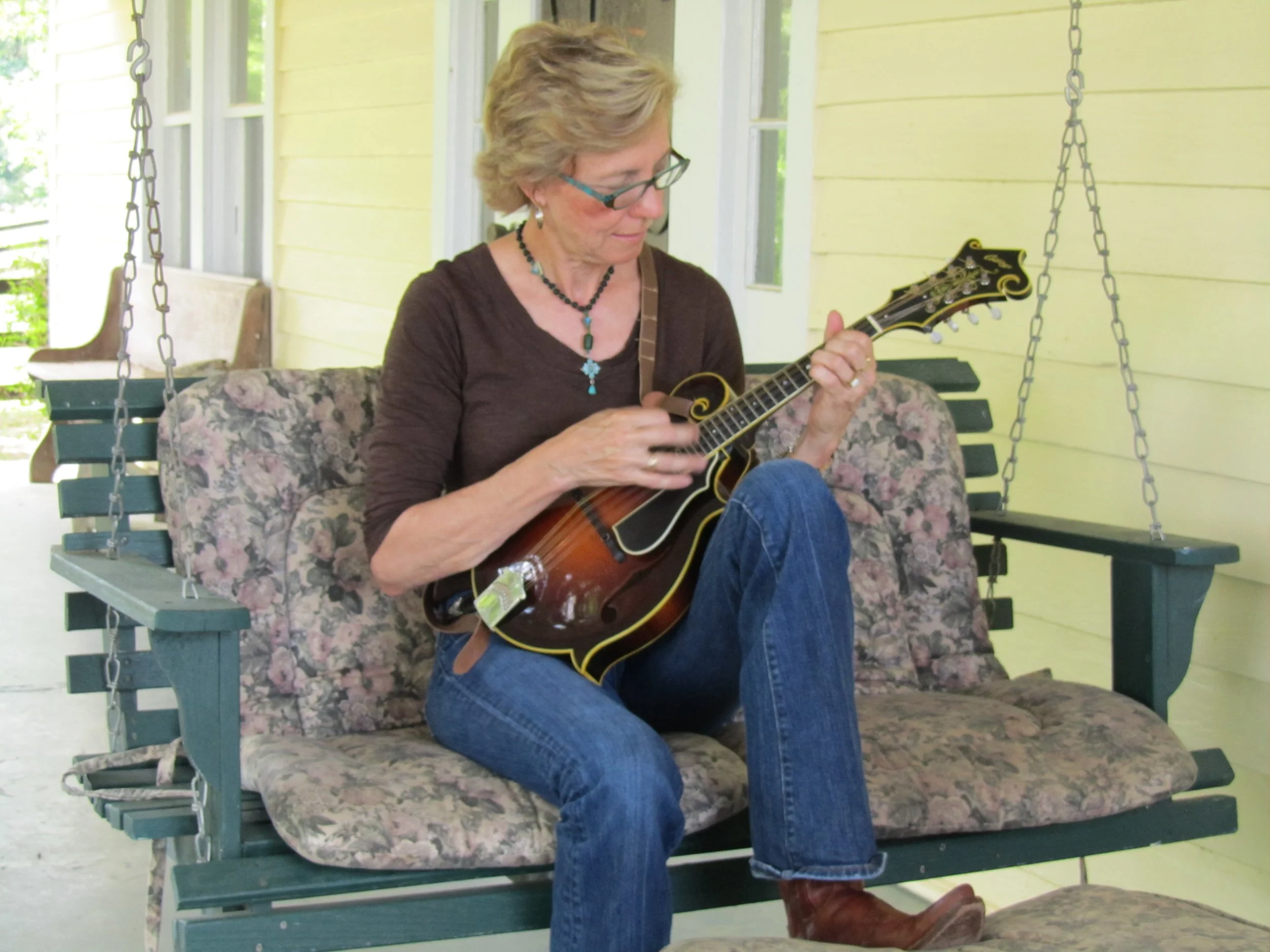
In the early 80s, Branscomb formed and co-fronted the wildly popular Atlanta-based band Gypsy Heart, where she played “whatever was needed at the time“ - banjo, mandolin, or guitar. Gypsy Heart released a self-titled album of Branscomb originals.
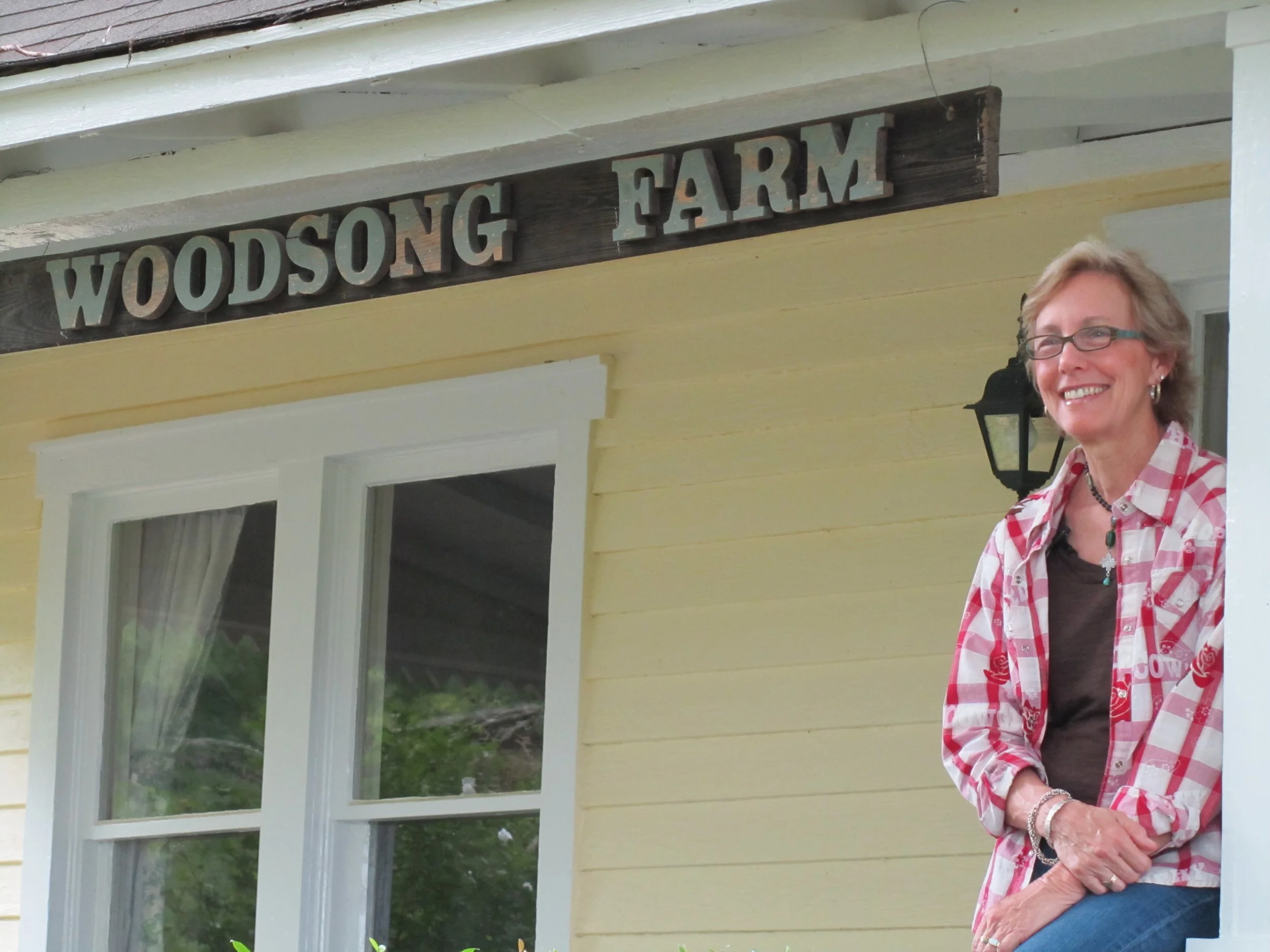
The late 1980s saw Louisa's mission as a songwriter mentor take shape, as she founded Woodsong Farm Songwriter Retreats. Woodsong, now Lyric Mountain Retreats, is possibly the longest-running songwriter tradition in acoustic music.
For more on Lyric Mountain Retreats, CLICK HERE.
To learn about Louisa’s Transformational Songwriting Method, CLICK HERE.
Meanwhile, her love of performing continued as she formed and led Born Gypsy, releasing an album of originals. Moving to Nashville in 2006, Louisa began appearing on songwriter rounds and recorded two hti albums with Compass Records, I’ll Take Love and Gonna Love Anyway. While in Nashville, she rekindled her friendship with Tom T. Hall and Dixie Hall, also participated in the Daughters of Bluegrass, and their performances and recordings garnered the Recording Event of the Year in 2006. She worked with Mark Newton on his project, Back to the Well: A Tribute to Women in Bluegrass, which earned Recorded Event of the Year in 2001.
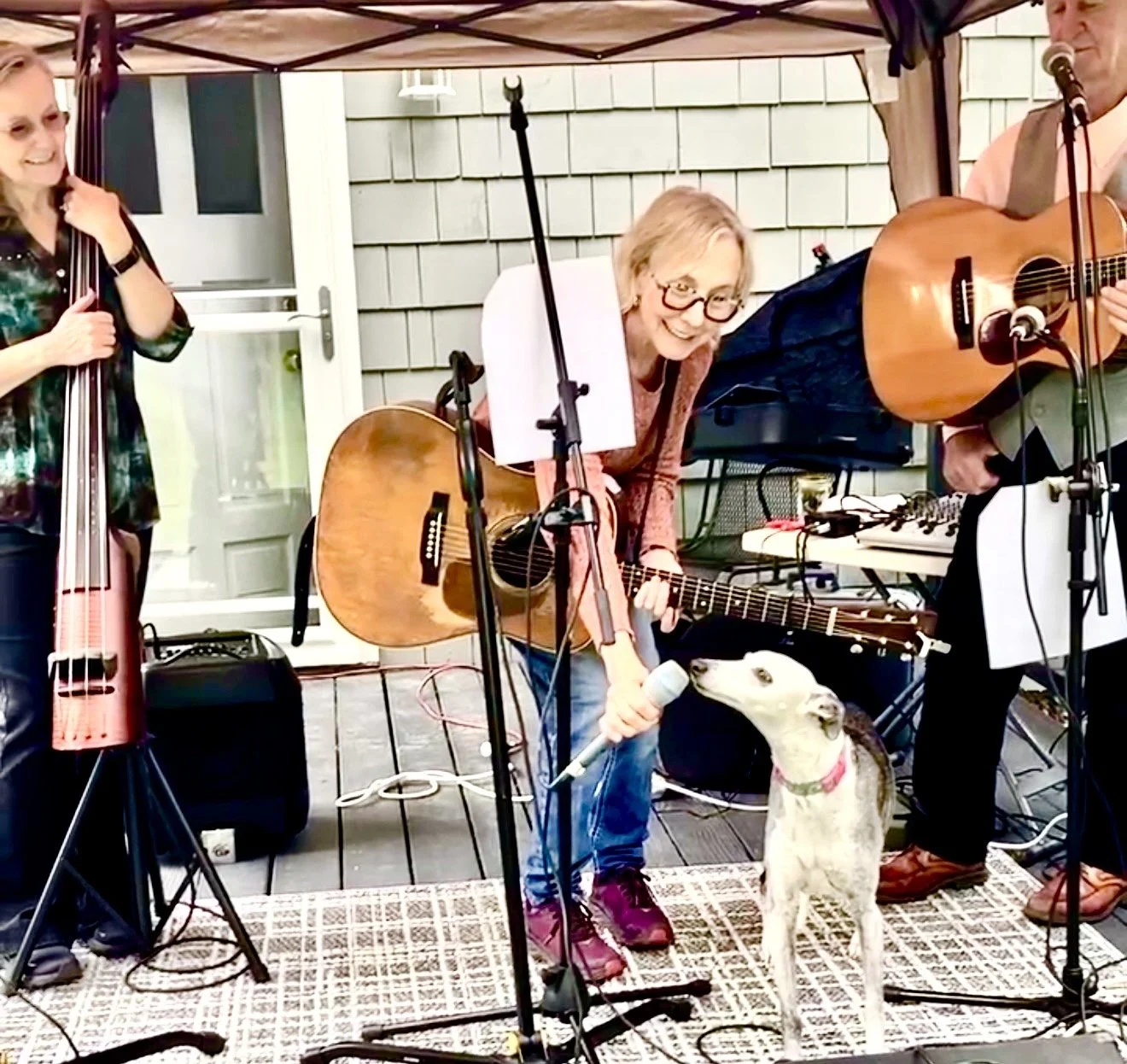
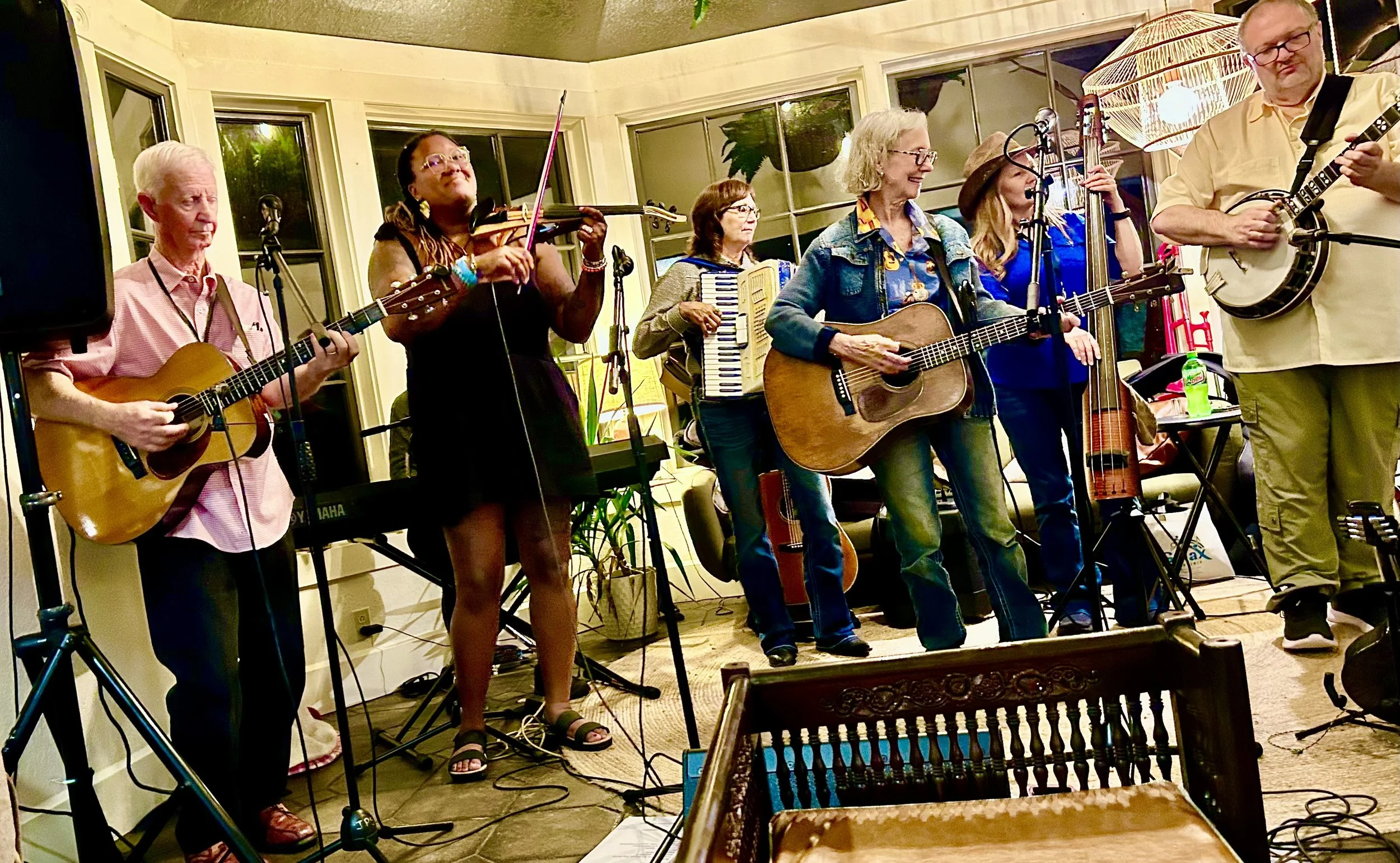
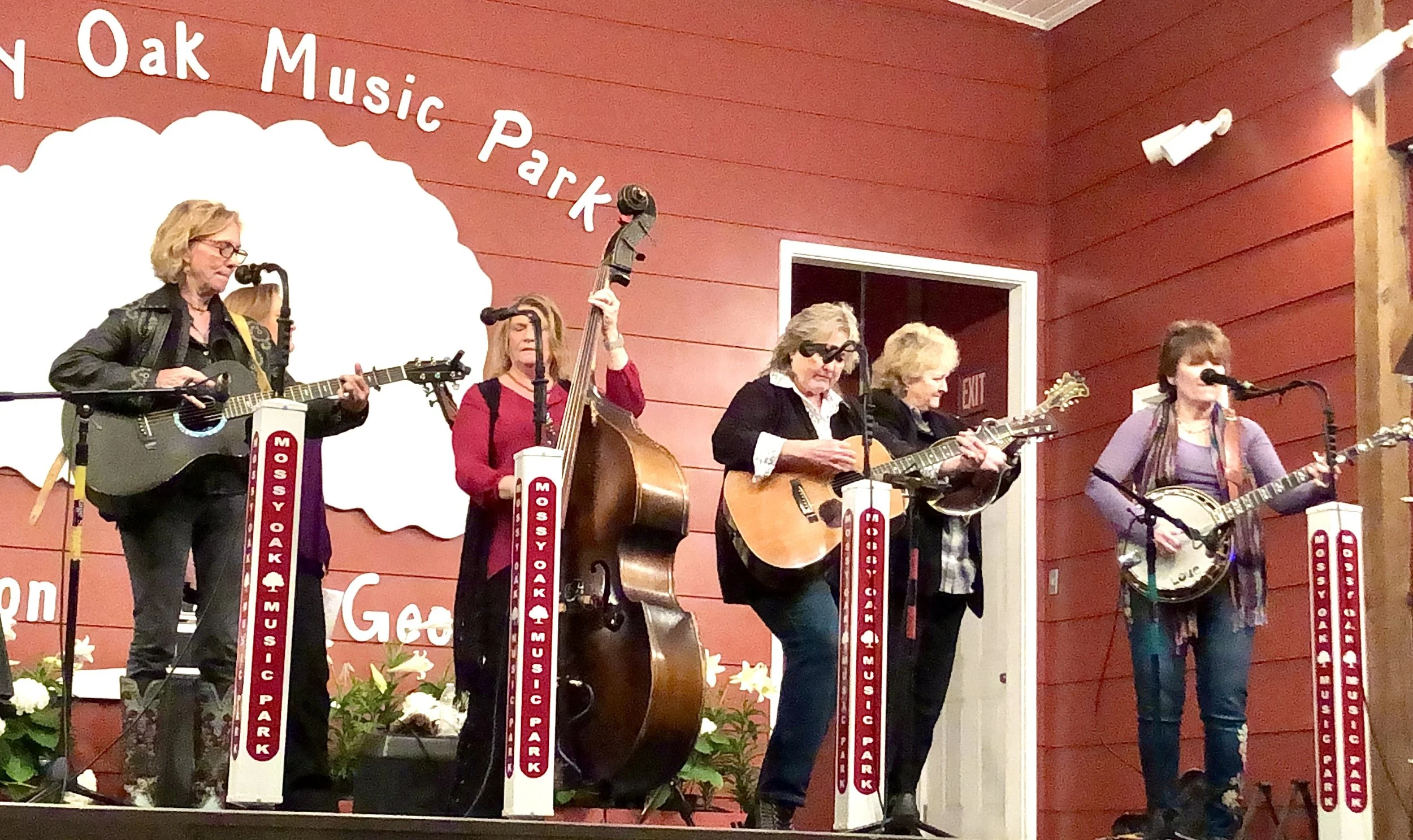
Most recently, Louisa led the band Geez Louise, with Jeannette Williams, Wanda Vick, and Pam Gadd. Unfortunately, this band’s performance was cut short by the pandemic. Meanwhile, Louisa’s songs have always been coveted and covered by some of the most iconic artists in the bluegrass world.
For a list of her awards and distinctions in songwriting, CLICK HERE.
For a list of original songs recorded by Louisa and other artists, CLICK HERE.
50 Years of a Pioneer Songwriter-Performer
“Songwriting is the purest art form. It leads us to the essence of experience through all our senses. It offers a form to celebrate the little story that descends through the rabbit hole to a universal experience. Songs join us together, no matter what our differences, and remind us we are one family – humanity.”
~ Louisa Branscomb
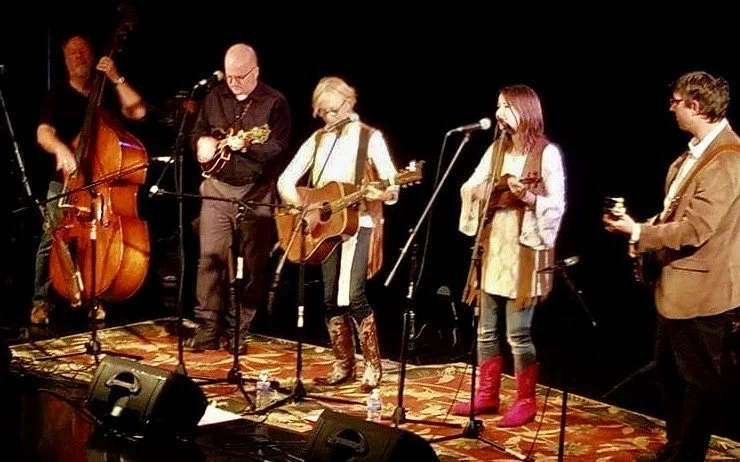
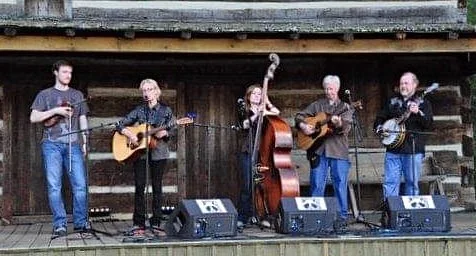
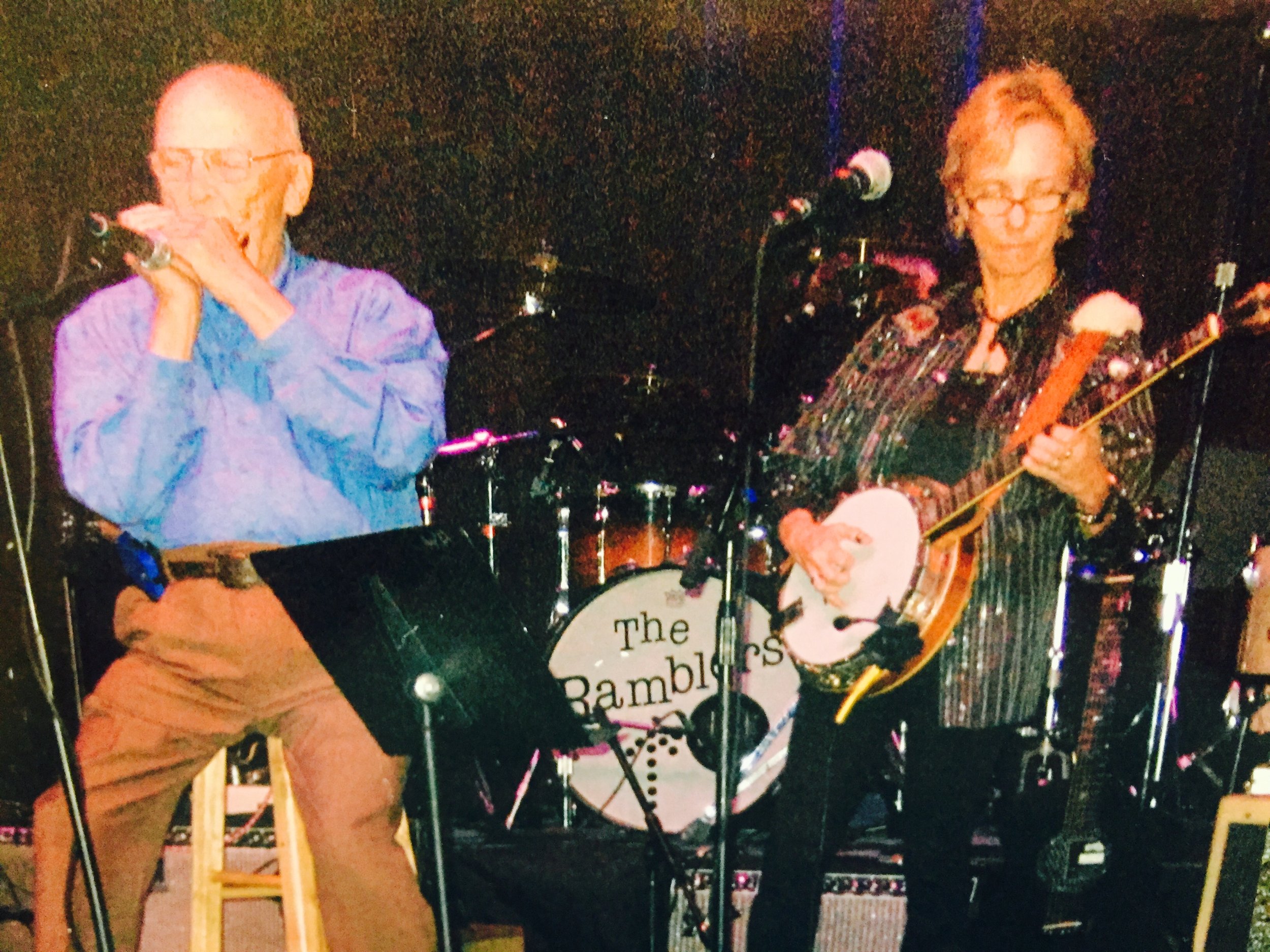
Lens On: Performing

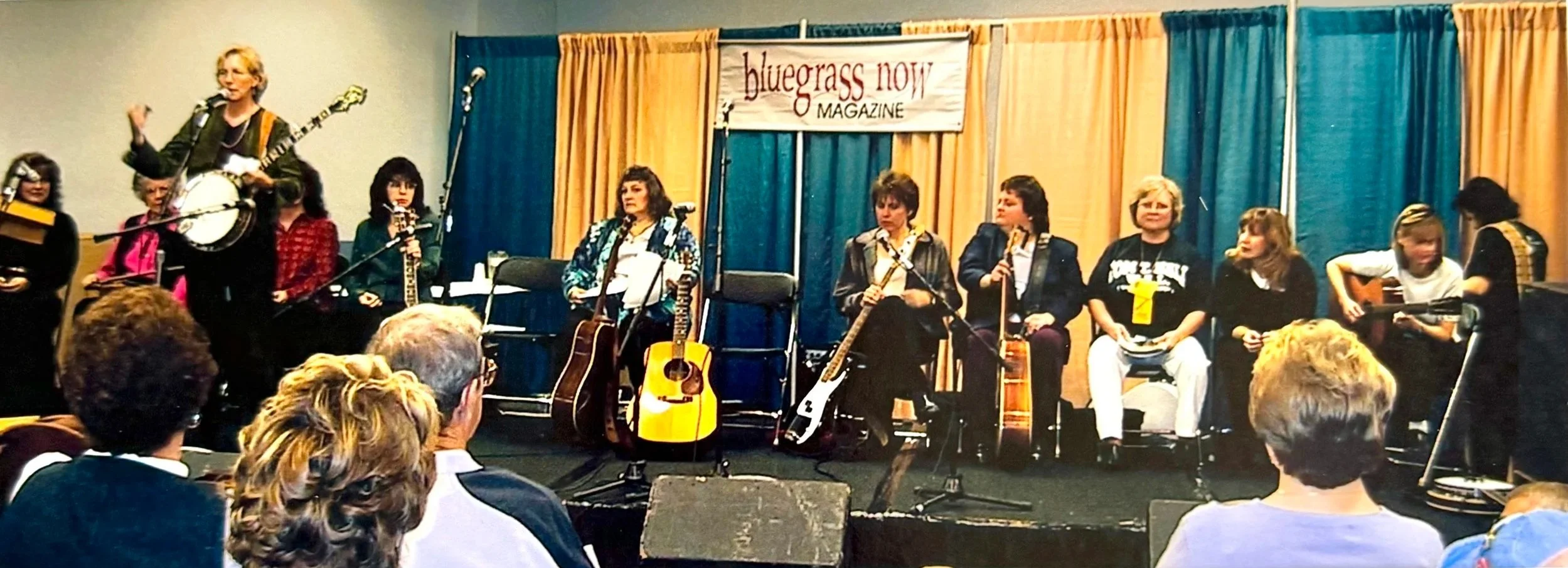
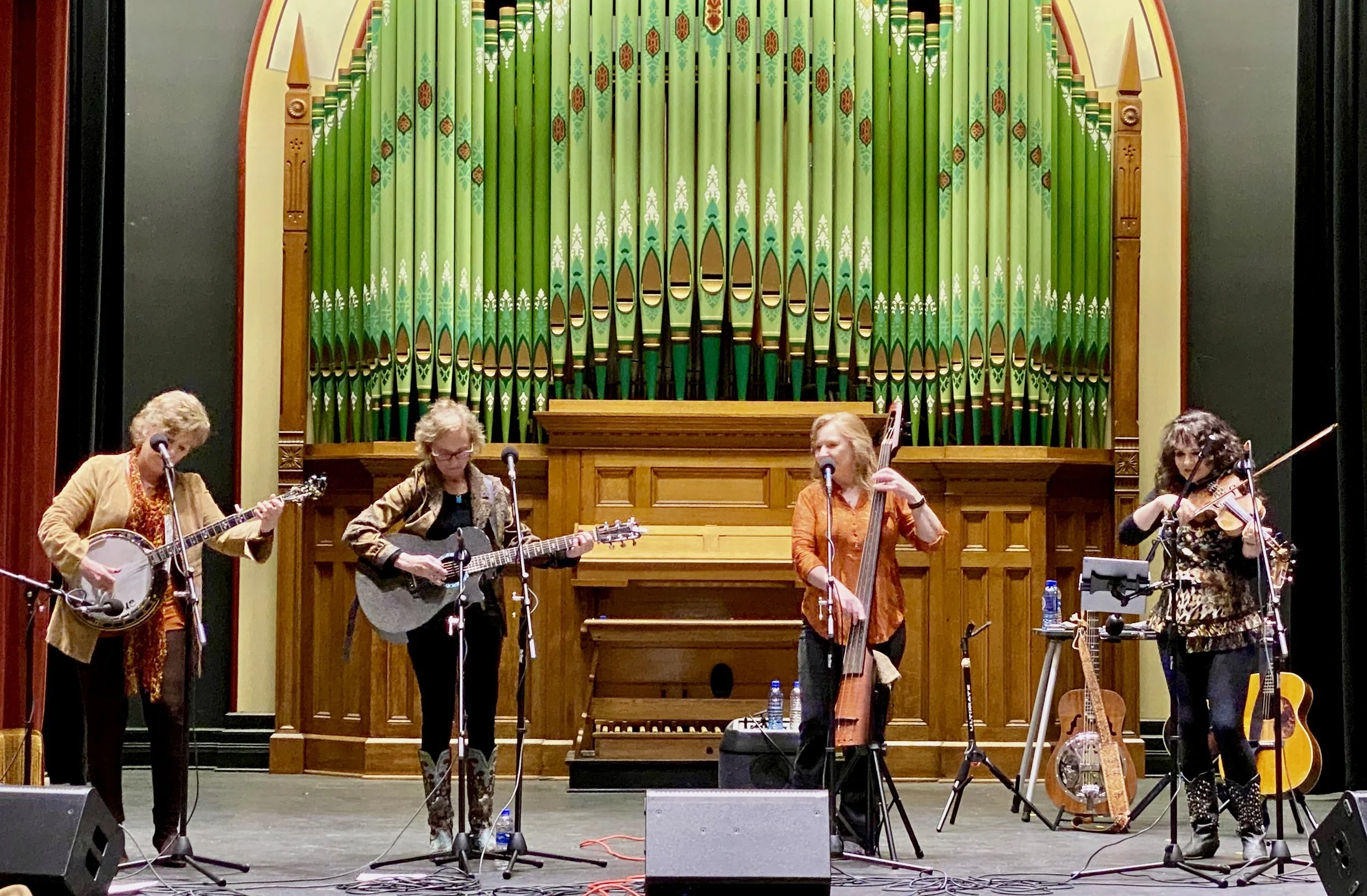
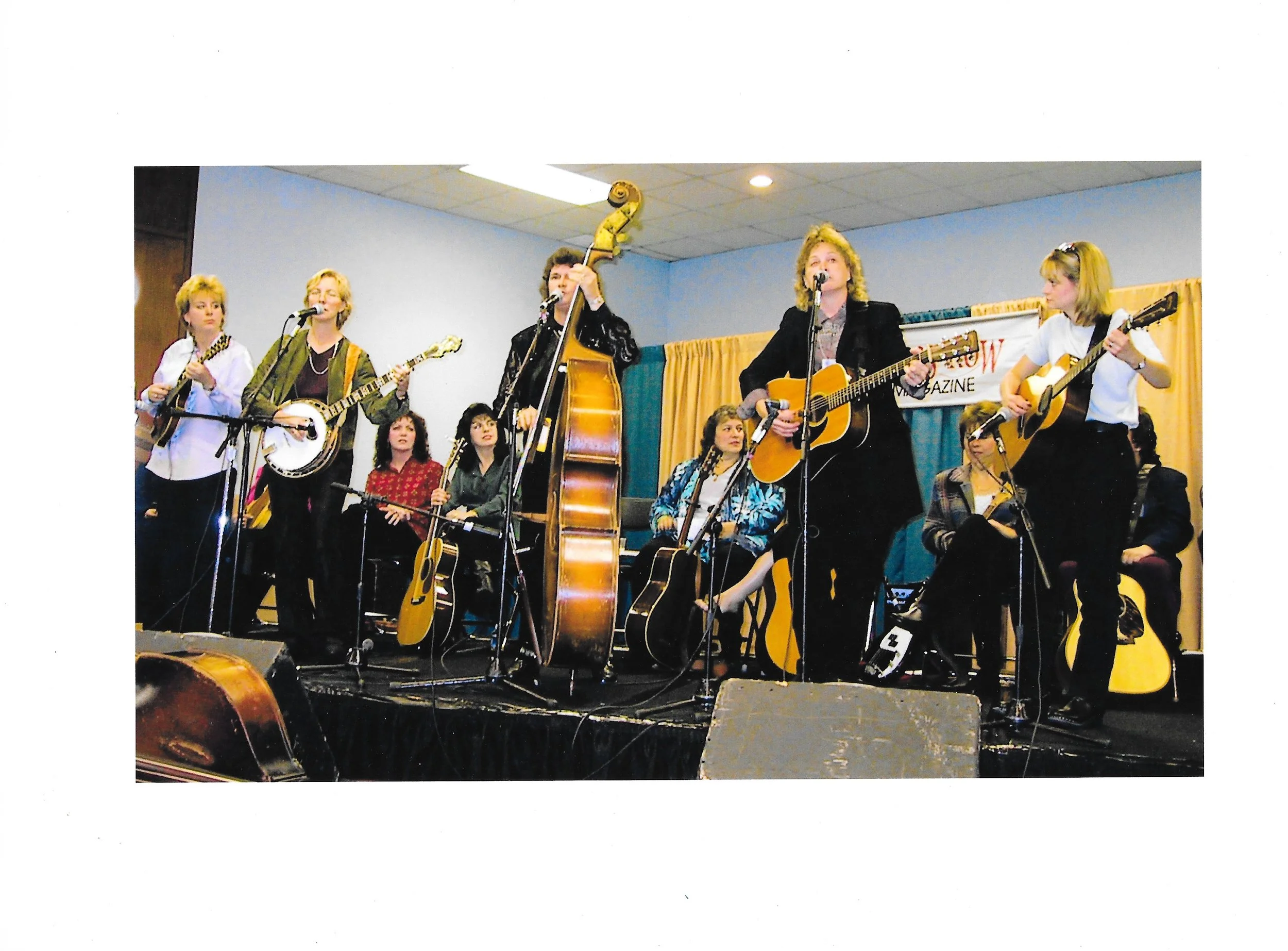
Author & Presenter
Research, Publishing, and Presenting. Combining her journey as a psychologist, where she published on creativity and trauma, and her career in music, with 40 years of feedback and research in songwriting, Louisa has published her model, the Branscomb Transformational Songwriting Method™. In this new era of her work, she has presented and/or applied this model at national conferences and retreats. She continues to apply her work with professional songwriters and high-needs groups such as foster children, communities affected by trauma or conflict, the elderly, and veterans. The Branscomb Model is unique in that it is backed by research and is an elegantly simple model that others can use. As an artist-centered model, it is personalized and sustainable, allowing songwriters to approach their writing in a meaningful, evolving way in their lives - whether the goal is to record their songs or to develop a practice to add meaning to their lives.
Louisa has also published the Branscomb Mentor Method™, a humanistic model for mentoring that has been shown to be effective, easily incorporated into others’ approaches, and used in many settings.
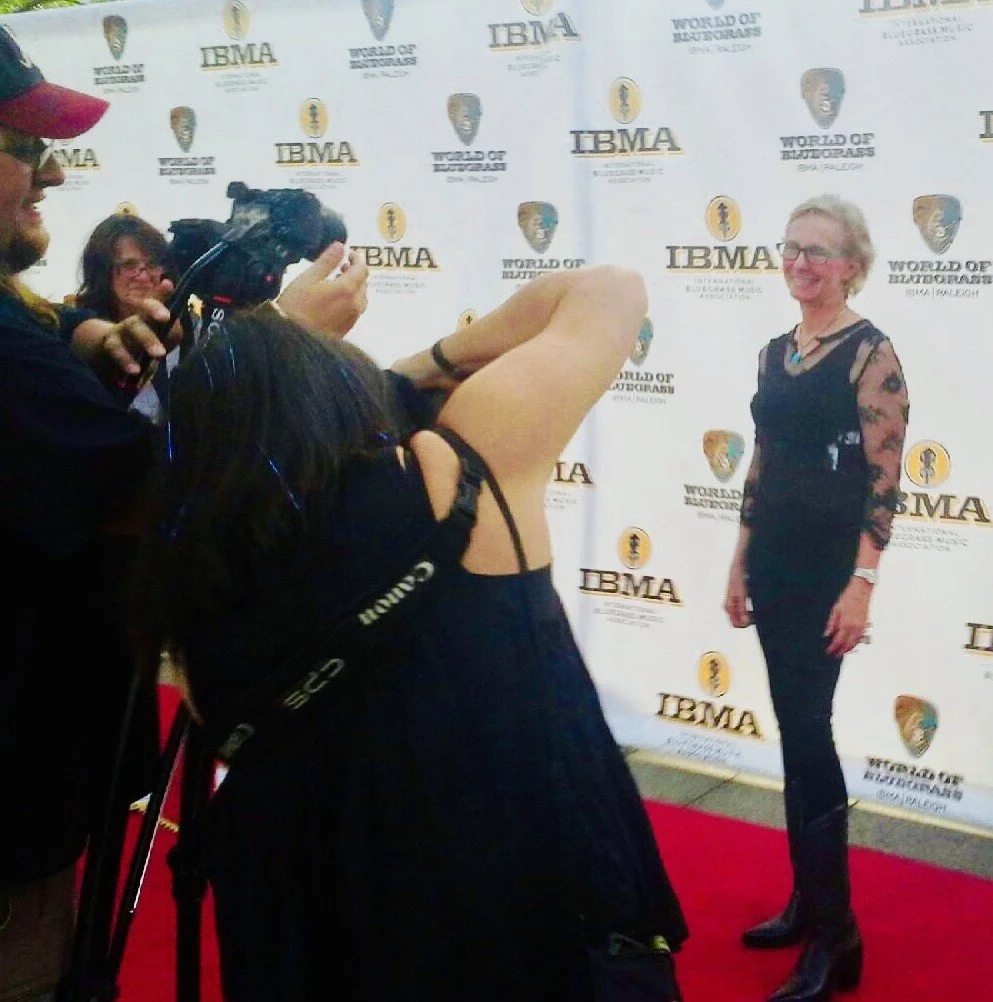
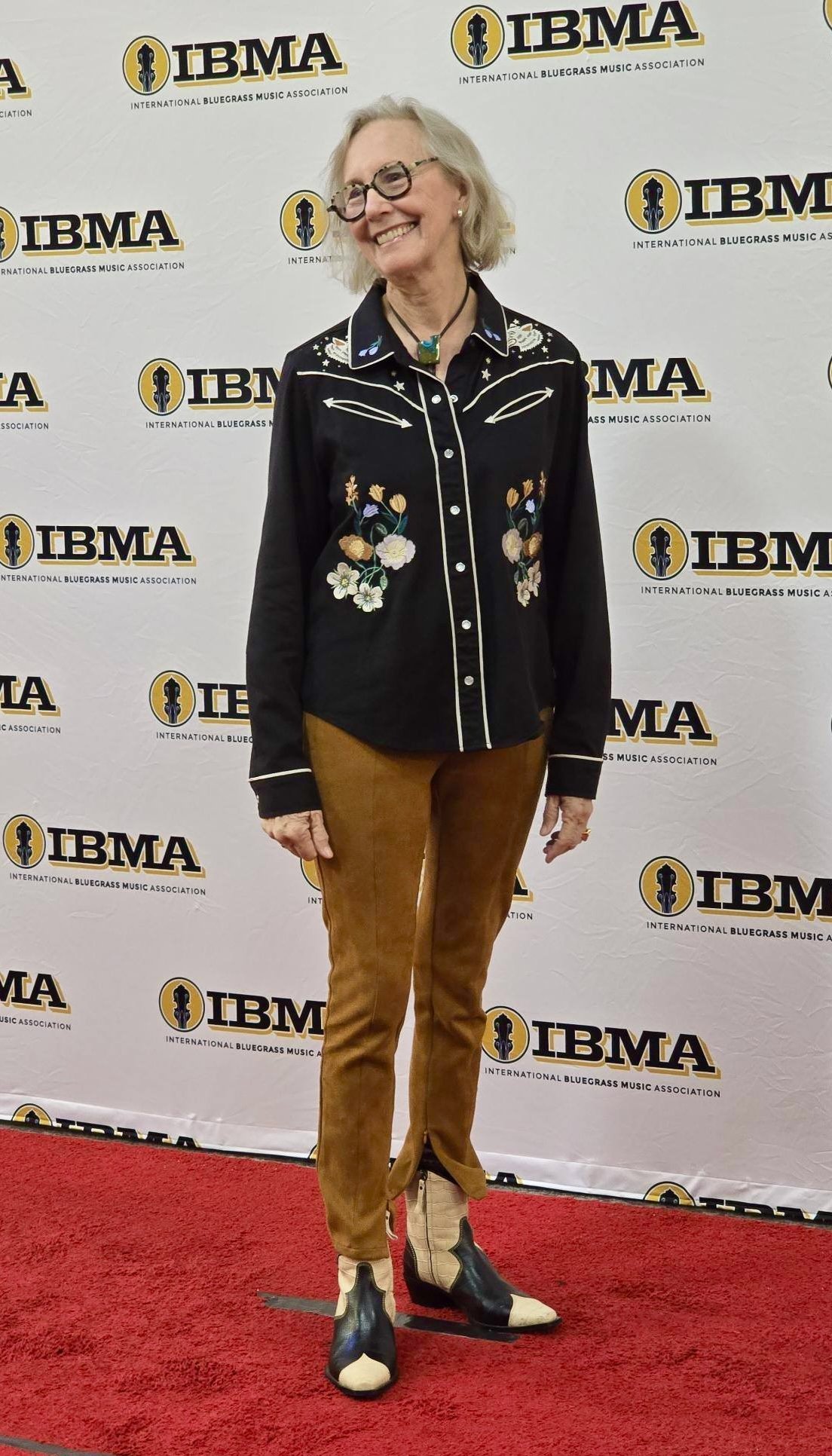
These combined contributions in songwriting, performing, mentoring, and community building earned her the coveted “Distinguished Achievement Award” in 2017 for her pioneering work in “expanding and furthering the genre of bluegrass music.”
Louisa is available as a speaker, workshop leader or instructor.
-
Item description
-
By Nancy Posey, Bluegrass Unlimited
Founded in 1989, Louisa Branscomb’s Georgia Woodsong Songwriter Retreat is likely the oldest continuous songwriter retreat in the genre, a distinction leading to her current nomination for IBMA Mentor of the Year. In the majestic setting of the farm’s rolling hills, heart pine planks, and winding fences, the mentor/songwriter/performer has helped some 500 children and adult participants transform life through the art of songwriting, most returning year after year. On July 1, Louisa closed the barn doors for the last time and headed to North Carolina, taking the spirit of the Farm and its community of writers with her. That moment is reflected in her song, Riding Double on my Old John Deere: “I turn the key to neutral, and lay this loader down. No engine hum can see me through my tears” (featuring Josh Williams on Louisa’s 2011 Compass release, I’ll Take Love).
As she leaves her beloved home, Louisa’s grief is shared by three decades of others who have found inspiration and guidance at her Woodsong Farm retreats. One four-year participant, Lea Kimbrough, explained, “Louisa’s work transforms the person while transforming their stories into song. I will attend her workshops throughout my life. I wanted a part of the old farm so the barn door we used to have our meals on went with me back to Florida.”
Coming full circle, Louisa is taking the now-honed vision of Woodsong to North Carolina, where she launched her professional music career some forty years ago. The singer-songwriter/multi-instrumentalist began her musical journey in 1971 in Winston Salem, taking to the road with her band, Boot Hill, co-led with Sam Sanger. It was there she learned banjo, wrote Steel Rails, and began a catalog of over 300 recorded songs, many making history in the hands of artists such as Dale Ann Bradley, Alison Krauss, Claire Lynch, John Denver, Jesse Brock, and countless others.
The 1980s saw Louisa leave North Carolina for Georgia to pursue graduate degree in Clinical Psychology. “I wanted to understand the human spirit – how people transform their lives, what creativity is really for.” It’s the theme of her unique model of songwriting.
In 1991, her life was unexpectedly touched by Alison Krauss’s ground-breaking hit with Steel Rails, the song credited with bringing an entire new generation to bluegrass. It was in that moment that the dream of an ongoing songwriter retreat was born.
“I was around 40 years old, and I felt I had had more than my share of luck. I thought it was time to give back things I wish I had had in my career to other songwriters. I never had a mentor. I had never known a songwriter up close. I didn’t have a community of songwriters and I had rarely seen a woman songwriter on stage in my formative years. So I founded Woodsong Farm Songwriter Retreat and began to figure out how to create a songwriter community. I didn’t want it to be just my home place, I wanted it to be the home place for every songwriter who came looking for something. And I wanted to make a place for children, too, to find a way to tell their stories through songs.”
With the chance to be a part of her unique artist-focused mentoring model and the vibrant Woodsong community, most Woodsong students come not once, but year after year, to hone their skills under Louisa’s tutelage. Five-year Woodsong veteran Katrina Brake stated, “Louisa has a depth of knowledge matched with gentle, personal guidance on how to write from the depth of one’s true self. It is an unmatched synergy.”
Louisa defers to the farm. “Mostly I just stay out of the way of the farm and trust the process. Something about a farm, the natural beauty – beauty made by hard work, makes it feel like a sanctuary, a place where it all makes sense. You feel the history here and become a part of it; you belong, and you feel like you go back before your time. The land makes a place for you that takes you deeper into your soul. And that’s the source of the song. A farm remembers everything you give to it and it gives back. All these writers have given their songs back to these hills. I somehow think that will always ride on the wind there with all the laughter and connections songwriters have shared.”
Indeed, an astronomical number of songs have been composed or shaped in some 120 retreats in the Farm’s inviting setting. There, Louisa has served four decades of children, many of them with high needs in state custody, giving them a tool to tell their stories. One such family, the Howard boys, began their mentoring seven years ago as small children. Now they have come to Asheville to volunteer their help on the new Woodsong Farm, giving back what they were given through Louisa’s songwriter non-profit, ScreenDoor Songwriter Alliance. They have literally grown up writing and singing songs that inspire others, such as one performed at Louisa’s presentation of her Kidswrite program at IBMA WOB in 2017: “When We See in Color, Not in Black and White.”
Louisa, too, has been nurtured by the farm as an artist. Fans will recognize countless farm-inspired songs, including Dear Sister, written with and recorded by Claire Lynch, about a similar cotton farm in Louisa’s heritage. I’m Gonna Love You, (co-written with Claire Lynch from 2011 Compass Album, I’ll Take Love), tells of coming home to the farm after being on the road. This Side of Heaven, recorded by the Whites on the same album, forecasts the tornado that destroyed the farm in 2011, and required a decade to rebuild.
“It’s a labor of hands and heart that is sometimes back breaking, but gratifying beyond words. It also means loss. I have three horses and a donkey, Elmer, buried here,” the IBMA Distinguished Achievement Award winner confessed.
Asked why she made the decision to leave, the once-touring banjo player explained, “I wanted to make the farm into everything it could be, in all its glory, while I’m still able to. I felt the mountains calling. It was time to take the essence of the work and begin a new chapter.”
Prior to her departure, Louisa hosted a reunion of songwriters and pickers who had attended workshops and jams at Woodsong. They played under the old oak tree, sending final melodies into the hills.
The following evening, in the silence that followed 33 years of friends, students, and songs written and played, Louisa feared leaving would be nearly impossible. “I felt my heart was breaking. I couldn’t see me without the farm, or it without me. But I went outside and the whippoorwills started singing all around me across the valley and the frogs were croaking in the pond. And I thought, they are letting me know because if I can’t carry the tune for a minute, they’ve got it, and it’s beautiful, and it will go on even when I’m gone.”
The next day she composed her last song from the farm, with the chorus:
Then the sun sets down on the mountain
and the whippoorwills call all night long
sayin’ you don’t have to worry
you don’t have to weep
’cause even when you can’t keep singing
we’ve got the song.Having found the heart of the matter in a simple song inspired by a farm, the songwriter and teacher felt ready to make the move. Bound for new topics, new retreats, and new mountains, Louisa carried a scrapbook of remembrances lined with old plows, hillside pastures, and steady streams of songwriters gathered on a hillside.
The video for Gone captures the freedom of life change with images of the farm itself, co-written with Diane King, featuring Dale Ann Bradley, Tina Adair, Steve Gulley, Casey Campbell, Deanie Richardson, Charlie Cushman, and Missy Raines. All lyrics copyrighted, used by permission.
WATCH HERE:
https://youtu.be/AmSZouOkqyg?si=J75rM8A4-KO_gkT2
“The last thing I did was take down the Woodsong Sign in Georgia, and my first official moment in North Carolina, I was hanging the sign in my new farmhouse. I have learned that Woodsong is a spirit; it is something in the hearts of people, and it can go where we go. The ‘new’ old farm has that same Woodsong spirit; it is just a mountain farm rather than an old cotton farm. That brings in a new history and new images for songwriters. It needs a lot of work, but it looks out on the mountains and the sunset. We share our songs and our lives. There’s lots of excitement about what lies ahead.”
Louisa’s first retreat in her new location was in October 2021. Back in the old North State, back where her life’s mission began, a string of songs ago.
Lens on: Louisa